
2Sides
Play 2Sides
2Sides Screenshots








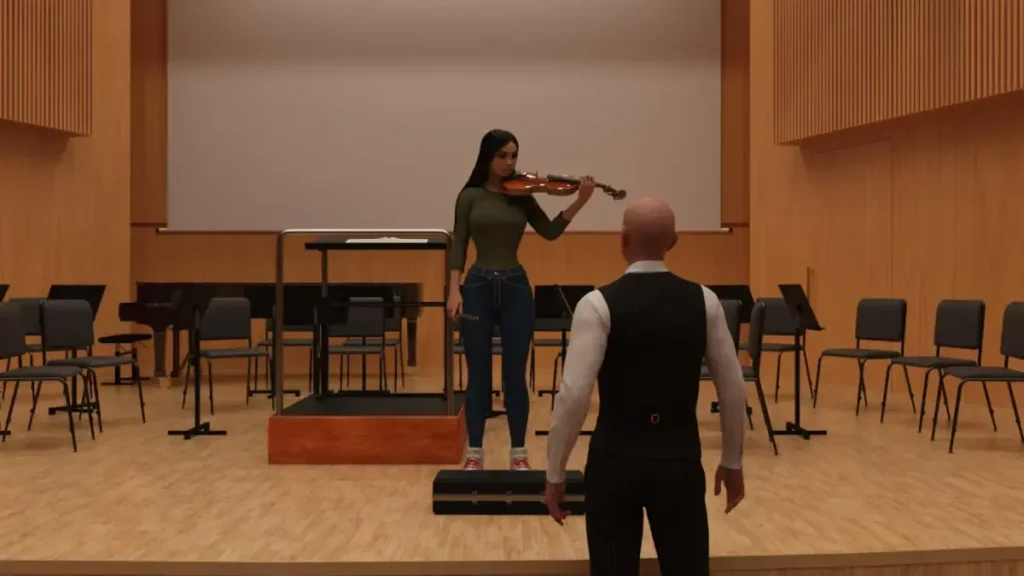
2Sides review
Explore gameplay, mechanics, choices, and player strategies for 2Sides
2Sides is an interactive narrative game that centers on branching choices and character relationships. Readers searching for information on 2Sides typically want a clear explanation of how the game works, what makes its design unique, and practical tips to make meaningful decisions during play. In this piece I share my personal experience playing 2Sides, describe core mechanics, break down narrative branches, and give actionable strategies that helped me progress. Whether you’re curious about story paths, character building, or technical setup, this guide helps you get the most from 2Sides.
Understanding 2Sides: Premise, Story, and Core Mechanics
Ever found yourself in a conversation where you desperately wished you could see the other person’s thoughts? 📖 That’s the electric thrill at the heart of 2Sides, a narrative experience that pulls you into a world where every perspective matters and every choice echoes. This isn’t just another story you click through; it’s a psychological playground where understanding “both sides” of every situation is the key to unlocking its deepest secrets. 🧠 If you’re ready to dive into a tale where your empathy is your greatest tool, you’re in the right place.
Let’s peel back the layers of this captivating game. In this 2Sides game overview, we’ll explore everything from its creation to the core systems that make its branching paths so incredibly rewarding to walk.
What is 2Sides and who made it?
2Sides is a narrative-driven, choice-based game developed by the passionate, indie team at Echo Chamber Games. Released in a landscape crowded with visual novels, it carved out its own niche by focusing on a single, powerful premise: duality. The developers wanted to move beyond simple “good vs. evil” decisions and instead craft a story where moral ambiguity reigns and understanding conflicting viewpoints is the ultimate goal. 🎯
The game is designed for players who love to analyze characters, savor complex relationships, and replay stories to discover every hidden corner. It’s for those who ask “but why did they do that?” and genuinely want to find the answer. From its hand-painted backgrounds to its haunting, reactive soundtrack, every element is built to immerse you in its intimate, often tense, world of intertwined lives and unspoken truths.
How choice mechanics shape the narrative
This is where 2Sides truly shines. The 2Sides mechanics are deceptively simple on the surface but create a wonderfully complex web of consequences. Your primary tools are dialogue and action choices, but the game brilliantly twists this formula.
- Single & Multiple-Choice Scenes: Most interactions present you with a list of responses. These aren’t just about being nice or mean; they’re about aligning with a character’s worldview, challenging their beliefs, or uncovering their hidden fears. Picking a question about someone’s past might unlock a 2Sides branching story path focused on healing, while a more pragmatic choice could steer them toward a practical, but colder, future.
- The Dual-Perspective System: Here’s the unique twist. At pivotal moments, you don’t just make a choice—you see the immediate, internal reaction of the character you’re speaking to. A small thought bubble appears, showing you what they really think about what you just said. 🫣 This mechanic is a game-changer. It turns every conversation into a delicate dance. Do you say what they want to hear to build trust, or do you say what they need to hear, even if it causes short-term conflict? This system is the core of how 2Sides works to foster genuine empathy.
- Timed Decisions & Memory Tokens: Some crucial moments force a quick response, ramping up the pressure and making you rely on instinct. Furthermore, the game features “Memory Tokens”—special collectibles or dialogue flags you earn by being observant or making specific choices. These tokens can later be “spent” in certain scenes to recall a past detail, unlocking alternative solutions or bypassing conflicts entirely. It rewards careful, thoughtful play.
Personal Insight: In my first playthrough, I hit a major fork with two friends, Leo and Maya, arguing over a lost heirloom. I had a Memory Token from earlier where I’d noticed Leo nervously glancing at a specific drawer. When the argument peaked, I used the token to “remember” this detail and suggest looking there. This single action completely defused the suspicion falling on Maya, preserved their friendship, and opened up a subplot about Leo’s secret guilt that I would have never seen otherwise. It was a stunning example of how the game’s systems intertwine.
Key systems: characters, stats, and progression
The 2Sides game overview of its systems reveals a robust framework supporting its narrative. This isn’t just about picking story paths; it’s about cultivating relationships and shaping personalities.
- Character Relationship Meters: Each major character has a dynamic affinity meter with you, but it’s not a simple “like/dislike” bar. It’s often segmented into traits like Trust, Respect, and Affection. A choice might boost Respect but slightly lower Affection, reflecting a more professional, less personal dynamic. Managing these multi-faceted relationships is the true strategic heart of the game.
- Progression & Unlockables: As you play, you earn “Insight Points” based on the depth of your interactions and the resolutions you achieve. These points unlock special scenes, backstory chapters, and even alternative narrative lenses (like briefly playing from another character’s view). There’s no traditional inventory or currency—your progress is measured in understanding and influence.
- The Path Web: Instead of a simple flowchart, the game visualizes your save file as a growing “Path Web,” showing key decision nodes and how they connect. It’s a fantastic, non-spoiler way to see just how much your 2Sides branching story has diverged and motivates you to explore those tantalizing, uncharted connections on your next run.
So, what can you expect from a session? Scenes typically last 5-10 minutes, perfect for short plays, but the “just one more scene” hook is incredibly strong. A blind first playthrough to one of the major 2Sides endings typically takes 8-10 hours, but uncovering the full tapestry of the story can easily triple that time. The game is available on all major platforms, ensuring you can dive into its dualities anywhere.
To wrap up this 2Sides game overview, here’s a quick snapshot of the essential facts:
| Platforms | Core Mechanics | Story Scope | Avg. First Playthrough |
|---|---|---|---|
| PC, Mac, Nintendo Switch, PlayStation, Xbox | Dual-Perspective Choices, Relationship Meters, Memory Tokens | 12+ Major Branching Points, 7 Distinct Endings | 8-10 Hours |
Your initial journey through 2Sides will be defined by your personal instincts. You’ll form bonds, make mistakes, and likely reach a conclusion that feels true to your choices. But the real magic lies in the replay. Knowing what you learn from one side of the story completely transforms your perception on the next, making every return visit a fresh, revealing experience. That’s the brilliant promise of 2Sides—the story doesn’t change, but your understanding of it never stops evolving. 🔄
2Sides offers a rich interactive experience driven by choice, character relationships, and branching narrative design. In this guide I explained the game’s core mechanics, walked through how relationships and choices shape outcomes, and shared practical strategies and personal examples to help you make informed decisions and explore alternate paths. Whether you’re starting your first playthrough or aiming for specific endings, use the setup and replay tips to experiment confidently. Try the suggested approaches in your next session, save often, and don’t be afraid to revisit pivotal choices to discover new scenes.