A Summer’s End – Hong Kong, 1986
Play A Summer’s End – Hong Kong, 1986
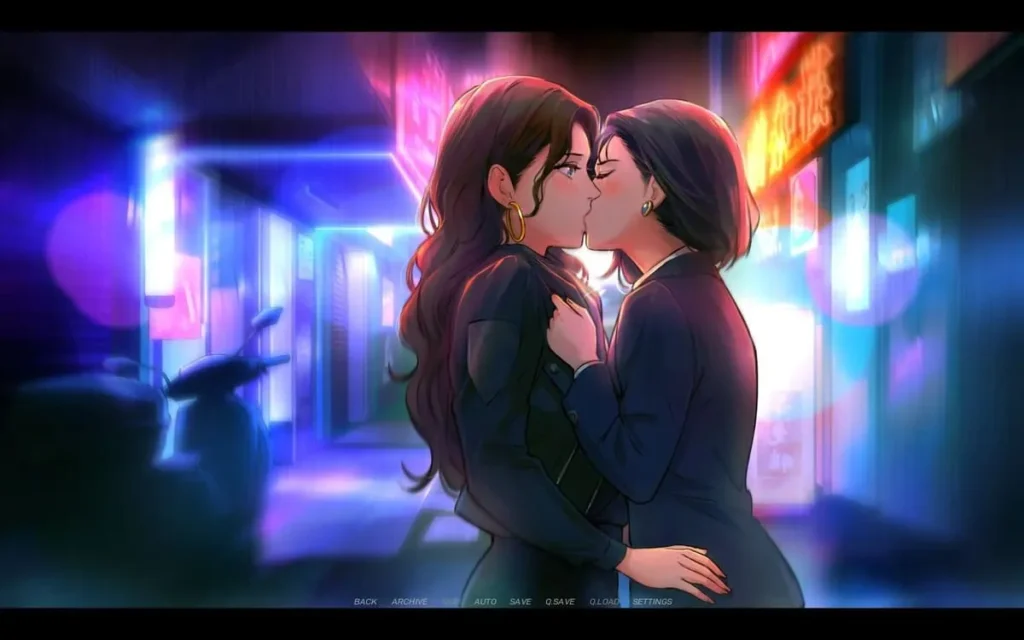
A Summer’s End – Hong Kong, 1986 Screenshots







A Summer’s End – Hong Kong, 1986 review
Exploring Love, Identity, and 1980s Hong Kong Culture in This Acclaimed Indie Game
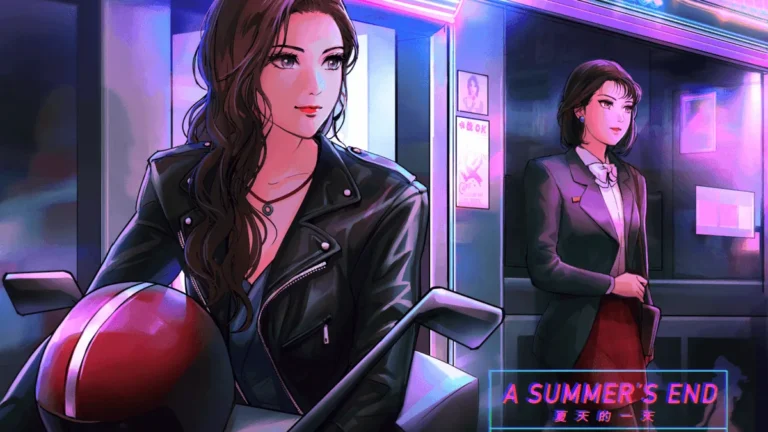
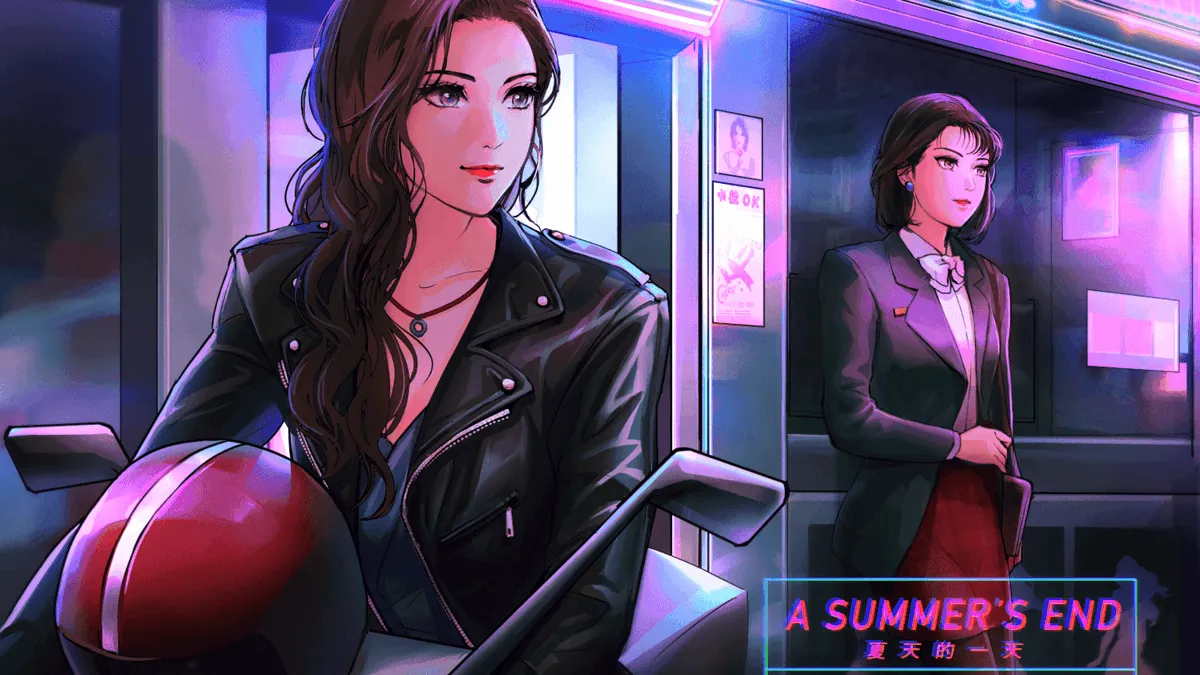
A Summer’s End – Hong Kong, 1986 stands as a remarkable visual novel that captures the essence of 1980s Hong Kong through an intimate love story between two women. Developed by Oracle and Bone, this indie game combines stunning hand-drawn artwork inspired by 80s anime with a narrative that thoughtfully explores identity, family dynamics, and romance during a transformative era. The game has garnered significant acclaim for its authentic portrayal of Hong Kong settings, compelling character development, and nuanced approach to storytelling. Whether you’re a visual novel enthusiast, a fan of retro aesthetics, or simply looking for a meaningful gaming experience, A Summer’s End offers a unique blend of engaging narrative and artistic excellence that resonates with players worldwide.
Story, Characters, and Narrative Experience in A Summer’s End
The first time I played A Summer’s End – Hong Kong, 1986, I wasn’t prepared for how deeply it would resonate with me. 🎮✨ It wasn’t just a game; it felt like stepping into a lovingly crafted time capsule, one filled with the neon glow of a bygone era and the quiet, profound struggles of two women trying to find themselves. At its heart, the A Summer’s End Hong Kong 1986 story is a masterclass in intimate, character-driven storytelling. This chapter dives into the rich narrative tapestry that makes this LGBTQ visual novel game such a standout experience, exploring the delicate dance between Michelle and Sam, the world around them, and the difficult choices that define their path.
Following Michelle and Sam’s Journey of Self-Discovery
The visual novel romance narrative begins not with a grand, sweeping gesture, but with a simple, relatable moment of frustration. Michelle, a young office worker living with her traditional mother, is feeling the weight of societal expectation. She’s good at her job, she’s a dutiful daughter, but a part of her feels unfulfilled, a quiet hum of dissonance she can’t quite name. Her chance encounter with Sam—a confident, free-spirited woman with a strikingly different outlook on life—acts as a catalyst. 🍃
What follows is a beautifully paced exploration of attraction and anxiety. The game brilliantly puts us inside Michelle’s head. We feel her immediate, flustered attraction to Sam, an emotion that is both exciting and terrifying in the context of 1980s Hong Kong. Her character development visual novel arc is the core of the experience. It’s a journey from confusion and repression towards self-acceptance and courage. We see her grapple with internalized fears, worry about her mother’s disapproval, and question what a future embracing her true identity might look like. This isn’t a story about “coming out” in a single, dramatic scene; it’s about the daily, incremental steps toward understanding who you are.
Sam, on the other hand, serves as both a love interest and a mirror. Through her perspective, which the game allows us to see, we learn that her attraction to Michelle was immediate and certain. 🏳️🌈 Her character provides a contrast—someone more comfortable in her own skin, yet not without her own vulnerabilities and past pains. The Michelle and Sam relationship develops with a compelling urgency. They connect quickly, drawn together by a powerful chemistry, but the game wisely uses that fast connection as a foundation to explore deeper questions of identity, commitment, and cultural pressure. It leaves room for those whispered conversations, lingering glances, and shared silences that speak volumes, making their bond feel earned and authentic.
Supporting Characters and Relationship Dynamics
No love story exists in a vacuum, and A Summer’s End excels at painting a full picture of its social world. The supporting cast isn’t just background noise; they are active forces that push, pull, and shape the main visual novel romance narrative.
The most prominent of these is Joey, Michelle’s well-meaning but slightly hapless colleague who harbors a crush on her. At first glance, he might fit a “nice guy” trope, but the game subverts this. His character development visual novel arc is subtle and meaningful. As he becomes aware of Michelle’s feelings for Sam, his journey is one of genuine growth. Instead of reacting with jealousy or bitterness, he evolves into a true friend who ultimately supports Michelle’s pursuit of happiness. His role is crucial—he represents the “expected” path for Michelle (a heterosexual relationship with a kind man) and her conscious choice to step away from it.
Then there are the families. Michelle’s relationship with her mother is a constant, low-grade source of tension. The game authentically portrays East Asian communication styles, where love and concern are often expressed through criticism, and difficult truths are approached indirectly. Every conversation about work, future plans, or “finding a good man” is laden with unspoken expectations. Sam’s own family history and her strained relationship with her brother add another layer, showing that personal struggles with identity and acceptance come in many forms.
To help keep track of the key players in this intimate drama, here’s a quick overview:
| Character | Role | Key Characteristics |
|---|---|---|
| Michelle | Protagonist, Office Worker | Reserved, dutiful, internally conflicted, on a journey of self-discovery. |
| Sam | Love Interest, Fashion Designer | Confident, independent, artistic, serves as Michelle’s catalyst for change. |
| Joey | Michelle’s Colleague & Friend | Kind-hearted, initially a hopeful suitor, grows into a supportive ally. |
| Michelle’s Mother | Family Figure | Traditional, loving in her own way, represents societal and familial pressure. |
These dynamics are what ground the Michelle and Sam relationship in a palpable reality. Their love isn’t just about each other; it’s about navigating the complex web of people and duties that already exist in their lives. 🌆
Themes of Identity, Family, and Cultural Context
- A Summer’s End – Hong Kong, 1986 is more than a romance; it’s a poignant snapshot of a time and place. The 1980s Hong Kong story game* elements are not just aesthetic—the synthwave soundtrack, the vibrant fashion, the specific locales—they are integral to the story’s soul. Hong Kong in 1986 is a city on the brink of massive political change, and that atmosphere of uncertainty permeates the characters’ personal lives. The future is unknown, which makes the decision to live authentically feel both more risky and more urgent.
Central to the experience is the game’s thoughtful exploration of what it means to be gay during this period. It handles topics like homophobia and family conflict with a remarkable grace, avoiding sensationalism or tragedy. Instead, it focuses on the quiet, personal battles. The fear of gossip, the weight of disappointing parents, the struggle to find a vocabulary for your own feelings—these are the real antagonists. The game’s approach can be summed up in this powerful insight:
“The narrative shows that the biggest hurdles are often the silent expectations and the fear of losing the love you already have, rather than overt hatred. It finds drama in quiet tension and hope in small, brave choices.”
This is the brilliance of its visual novel romance narrative. It finds universality in a very specific experience. The theme of identity is also deeply tied to the era’s culture. The clash between traditional Chinese values and more modern, individualistic aspirations plays out in Michelle’s career, her relationship with her mother, and of course, her sexuality. The game asks: How do you honor your past and your family while being true to your own heart?
Finally, the player’s agency culminates in the game’s visual novel endings choices. Your decisions throughout, especially in key emotional moments, lead to one of two distinct conclusions. There’s the “true” ending, a hopeful and resonant conclusion where Michelle finds the courage to choose Sam and her own future, offering a profoundly satisfying emotional payoff. Then there is the other path, a more melancholic resolution where both women, constrained by fear and duty, end up leading separate, more conventional lives. This ending isn’t framed as “evil,” but as a tragically realistic possibility, which makes the pursuit of the true ending all the more meaningful. The optional adult patch, when used, enhances the emotional and physical intimacy of the true ending, deepening the sense of connection and reward for the player’s choices.
The A Summer’s End Hong Kong 1986 story leaves a lasting impression because it understands that love stories are also stories about the self. The Michelle and Sam relationship is the vehicle through which we explore a rich tapestry of identity, culture, and courage. By the end of this acclaimed LGBTQ visual novel game, you haven’t just witnessed a romance; you’ve felt the delicate hope and terrifying beauty of choosing to be who you are, against the dazzling, uncertain backdrop of a summer’s end in 1986. 🌇💖
A Summer’s End – Hong Kong, 1986 represents a significant achievement in visual novel storytelling, combining artistic excellence with authentic cultural representation. The game’s meticulous attention to detail—from its hand-drawn 1980s anime-inspired artwork to its accurate Hong Kong settings—creates an immersive experience that transports players to a specific time and place. Beyond its visual appeal, the narrative thoughtfully explores themes of identity, love, and family within a conservative cultural context, offering a nuanced portrayal of LGBTQ experiences that avoids exploitation while remaining emotionally resonant. The interactive gameplay mechanics, including meaningful choices and multiple endings, encourage players to engage deeply with the story and characters. Whether you’re drawn to the game for its artistic style, its compelling romance, its cultural authenticity, or its representation of underrepresented communities in gaming, A Summer’s End delivers a memorable experience that lingers long after the credits roll. For anyone interested in visual novels, indie games, or stories that celebrate love and identity, this title deserves a place in your gaming library.