
Culture Shock
Play Culture Shock
Culture Shock Screenshots



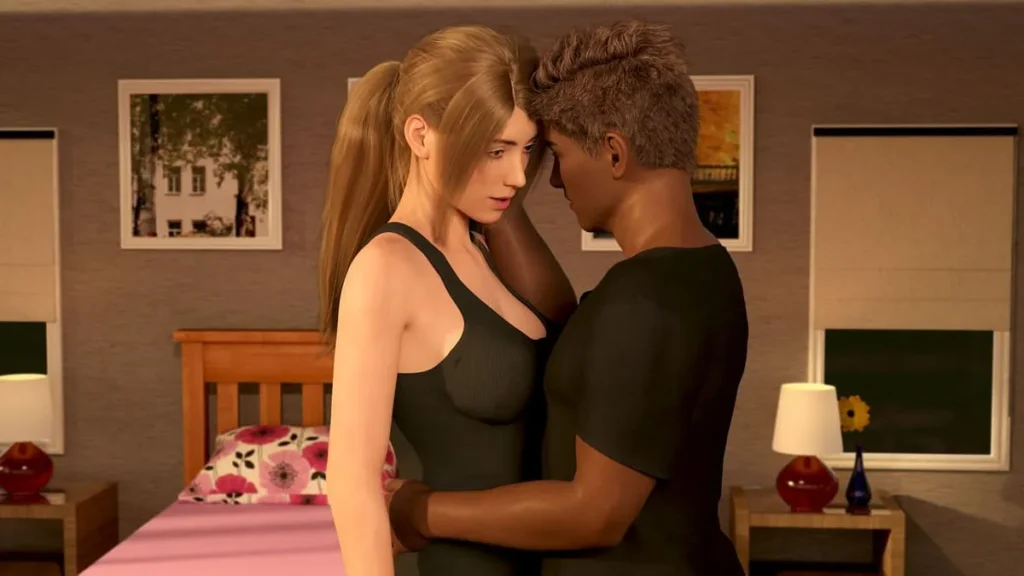


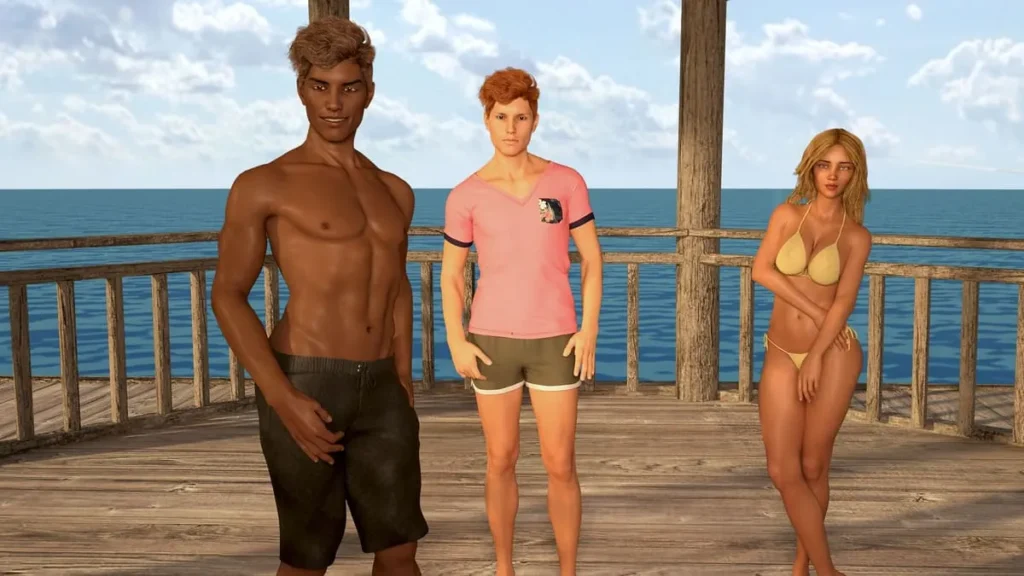



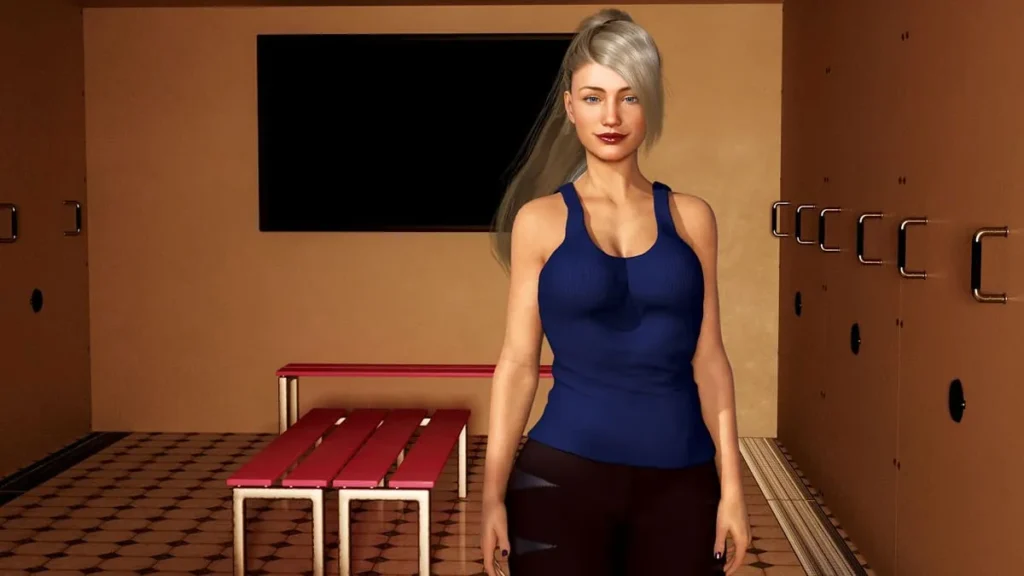


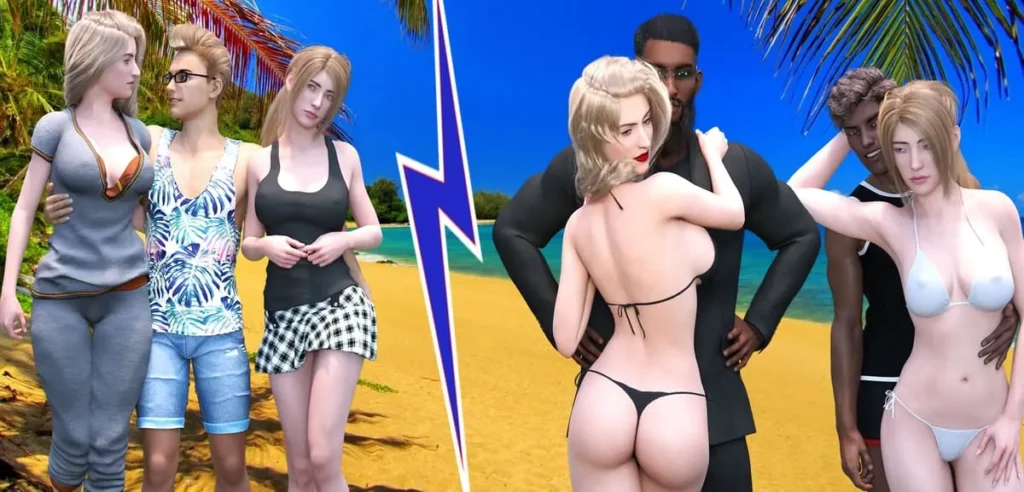
Culture Shock review
Explore the narrative-driven experience of this indie first-person visual novel
Culture Shock is a first-person visual novel developed by an independent creator that follows the journey of a protagonist named Jax as he transitions from rural life to urban living. The game centers on Jax’s relocation to Honolulu after his aunt’s invitation, where he experiences significant personal transformation and encounters diverse characters. This comprehensive guide explores the game’s narrative structure, gameplay mechanics, character interactions, and what makes this indie title unique in the visual novel genre. Whether you’re curious about the storyline, character development, or the overall gaming experience, this article provides detailed insights into what Culture Shock offers to players.
Understanding Culture Shock: Game Overview and Story Foundation
Ever finished a game and just sat there, staring at the credits, feeling like you’d lived a whole other life for a few hours? That’s the magic a great narrative can weave. Today, we’re peeling back the layers on one of the most compelling indie visual novel games to hit the scene—Culture Shock. If you’re a fan of rich stories, meaningful choices, and characters that feel like real people, you’re in the right place. Let’s get started. ✨
What is Culture Shock and Who Created It?
So, what exactly is Culture Shock? At its heart, it’s a first-person visual novel that immerses you completely in the shoes of its protagonist. You see the world through his eyes, make his decisions, and feel his anxieties and excitements. This isn’t a sprawling AAA title with a hundred-hour campaign; it’s a focused, intimate experience born from the passion of independent development.
The game is the brainchild of developer Noemi. In the world of indie visual novel game development, it’s often a single vision that drives a project forward, and that’s certainly the case here. Noemi has crafted a world that feels authentic and personal, drawing on themes of growth, displacement, and finding your place. This personal touch is what sets many indie titles apart—they aren’t designed by committee but are poured directly from the creator’s imagination onto your screen.
I remember playing my first few visual novels years ago, often fantastical or anime-inspired. Culture Shock stood out to me because its premise was so… relatable. It trades epic battles for personal ones, swapping magical kingdoms for a very real, bustling city. This grounded approach is its greatest strength, offering a character-driven narrative game experience that resonates on a human level. It proves you don’t need a massive budget to tell a story that sticks with you; you just need a clear vision and the heart to see it through.
The Main Character Jax: From Small Town to Big City
Meet Jax. He’s our eyes, ears, and voice in this story—the definitive Jax character protagonist. When we first meet him, he’s 18 years old and has just tossed his graduation cap in the air at a small high school in a rural, quiet part of the country. His world is one of familiar routines, known faces, and a certain predictable comfort. If you’ve ever come from a small town, you’ll recognize that feeling—the sense that everyone knows your business, but also that you’re… safe.
But safety can sometimes feel a lot like stagnation. Jax is at that universal crossroads we all face: What comes next? His future seems to stretch out in front of him, mapped by the limited opportunities of his hometown. Then, the catalyst arrives: an invitation from his aunt in Honolulu. It’s a lifeline to a different world, a chance to break the mold he’s been set in.
This is where Culture Shock begins its core exploration. You, as the player, aren’t controlling a pre-defined hero. You’re guiding a young man who is, frankly, a bit out of his depth. 🎯 The visual novel gameplay mechanics here are perfectly tuned to this experience. Every dialogue choice, every decision about how to spend your day, isn’t about gaining power or loot—it’s about shaping Jax’s personality, his confidence, and his relationships.
Will he embrace this new adventure with wide-eyed optimism, or will he retreat into his shell, overwhelmed by the noise and pace? The beauty of this first-person visual novel format is that you get to answer that. The character-driven narrative game lives and dies by its lead, and Jax is crafted with enough nuance that you’ll care about the answer.
The Journey to Honolulu: Setting and World-Building
If Jax is the heart of the story, then Honolulu is its lungs—the vibrant, pulsing entity he must learn to breathe within. The Honolulu city setting game isn’t just a static backdrop; it’s a character in its own right, and arguably the source of the game’s title.
Think of the starkest contrast you can imagine. Jax’s hometown is all rolling fields, quiet main streets, and stars you can actually see at night. Honolulu is a sensory explosion. 🌆 It’s a modern, thriving metropolis teeming with life. The game introduces you to its gleaming university campuses, massive shopping centers where you can get lost for hours, and a complex infrastructure of buses and crowds that is a world away from the simple roads back home.
This setting is masterfully used for world-building. Every location you visit—from a cramped but cozy apartment to a bustling student cafe—tells a story about urban life. The city promises freedom and opportunity, but it also demands adaptability and a thick skin. It’s in this environment that Jax’s transformation truly takes root. The game’s title, Culture Shock, isn’t about visiting a foreign country; it’s about the profound disorientation of moving from a rural lifestyle to a dense urban one. The rules are different, the social cues are new, and the pace is relentless.
Pro Tip: Pay close attention to the environmental descriptions and Jax’s internal monologue as he explores new parts of the city. They’re your best insight into his mental state and how he’s processing this monumental shift.
As Jax settles in, the visual novel gameplay mechanics open up the city for you. You’ll choose which districts to explore, which cafes to study in, and where to try and make new friends. This isn’t just a sightseeing tour; it’s an active process of building a new life, brick by digital brick. The Honolulu city setting game provides the stage for all the game’s core systems: relationship-building, personal growth, and narrative branching.
To visualize this pivotal journey, let’s map out the key transition from Jax’s old life to his new one:
| Phase | Location & Mindset | Key Catalyst |
|---|---|---|
| 1. The Comfort Zone | Rural Hometown. Feelings of stagnation and familiarity post-high school. | Graduation ceremony; lack of clear local prospects. |
| 2. The Invitation | Receiving the offer at home. A mix of excitement, fear, and uncertainty. | Aunt’s phone call and formal invitation to move to Honolulu. |
| 3. The Decision | Mental crossroads. Weighing safety against the unknown. | Player’s initial choice to accept, framing Jax’s starting attitude. |
| 4. The Arrival | First steps in Honolulu. Sensory overload and immediate disorientation. | Stepping out into the city for the first time; seeing the scale of his new world. |
| 5. The First Steps | Navigating the new normal. Learning basic routines like the bus system. | Completing first independent task in the city, establishing player agency. |
This journey sets the foundation for everything that follows. The Culture Shock visual novel uses this physical relocation as a powerful metaphor for internal growth. As players, we get to steer that growth through the game’s brilliant mechanics.
Speaking of mechanics, let’s talk about how you actually play this story. The visual novel gameplay mechanics in Culture Shock are elegantly designed to reinforce its themes. The core loop revolves around choice and consequence. You’ll manage Jax’s time, deciding whether to focus on his studies, explore the city to unlock new locations, or invest time in building relationships with the diverse cast of characters.
And what a cast it is! 👥 From fellow students and roommates to more unexpected acquaintances you meet in the city, each character is a doorway to a new perspective, a new side story, and a new potential friendship (or more). The character-driven narrative game truly shines in these interactions. Dialogue trees aren’t just about picking the “right” answer; they’re about choosing the kind of person Jax will become. Will he be sarcastic, kind, reserved, or bold? These micro-decisions accumulate, influencing how others perceive him and which narrative paths become available.
This is the soul of an indie visual novel game like this one. It forgoes complex minigames or action sequences to double down on what matters: the story and the people in it. The first-person visual novel perspective makes every connection feel personal and immediate. When Jax is nervous on a date, you feel it. When he has a breakthrough in understanding a friend, it’s your victory too.
Ultimately, Culture Shock is more than a game—it’s an experience in empathy and evolution. It asks you to guide a young man through one of life’s most universal rites of passage, set against the stunning and daunting backdrop of Honolulu. It proves that the most compelling adventures aren’t always about saving the world; sometimes, they’re about saving yourself from a life of what-ifs, and building a new one, choice by meaningful choice. 🏝️
Culture Shock stands out as a distinctive indie visual novel that combines engaging narrative with meaningful player choice. The game’s central premise of urban transformation and cultural adaptation creates a compelling framework for character development and relationship-building. Through Jax’s journey from rural life to the vibrant city of Honolulu, players experience a story that emphasizes personal growth and diverse character interactions. The game’s strength lies in its focus on player agency, allowing each playthrough to feel unique based on individual decisions. For fans of character-driven narratives and visual novels that prioritize choice and consequence, Culture Shock offers an immersive experience that explores themes of change, adaptation, and personal transformation in a modern urban setting.