
Desert Stalker
Play Desert Stalker
Desert Stalker Screenshots




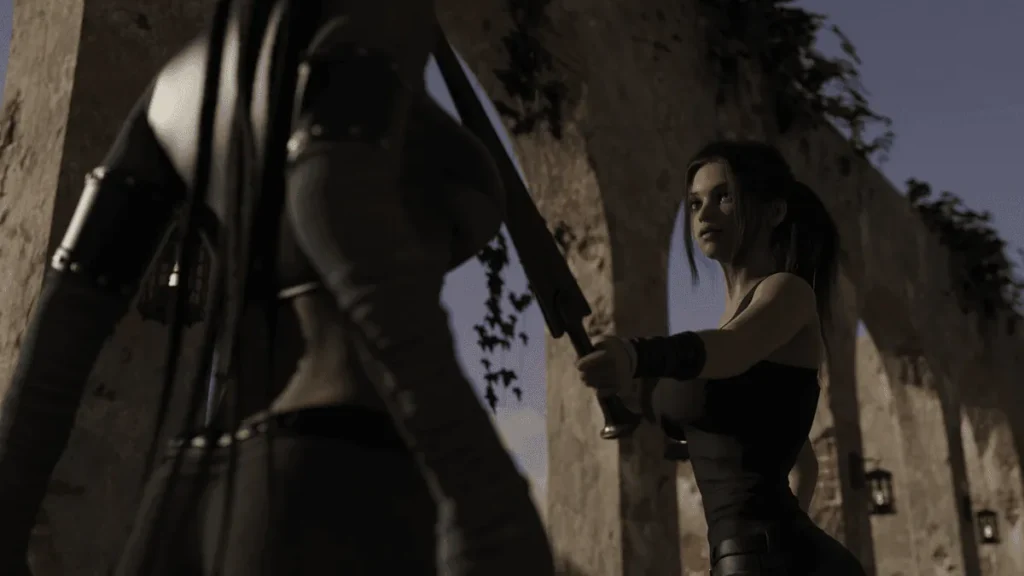


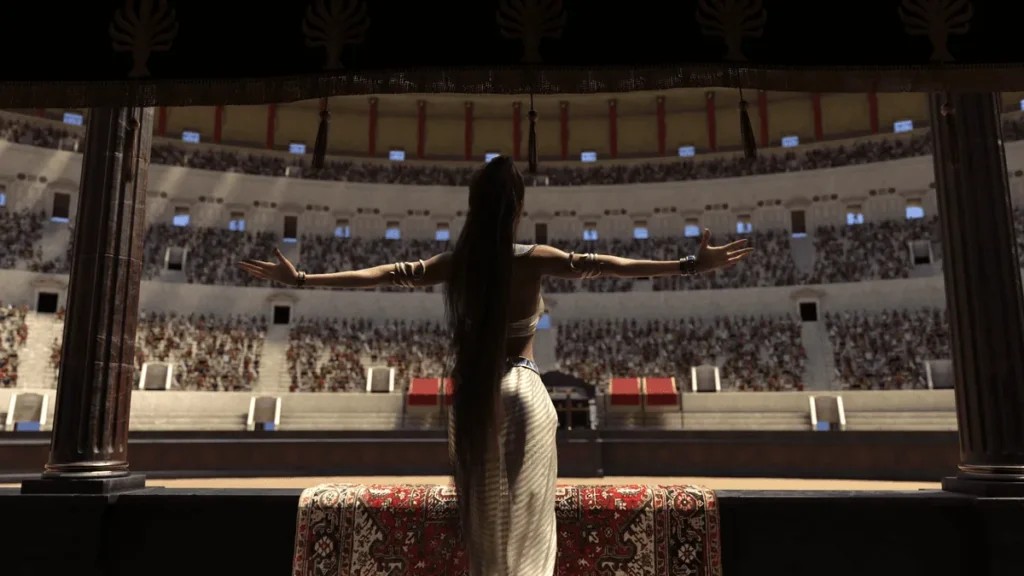
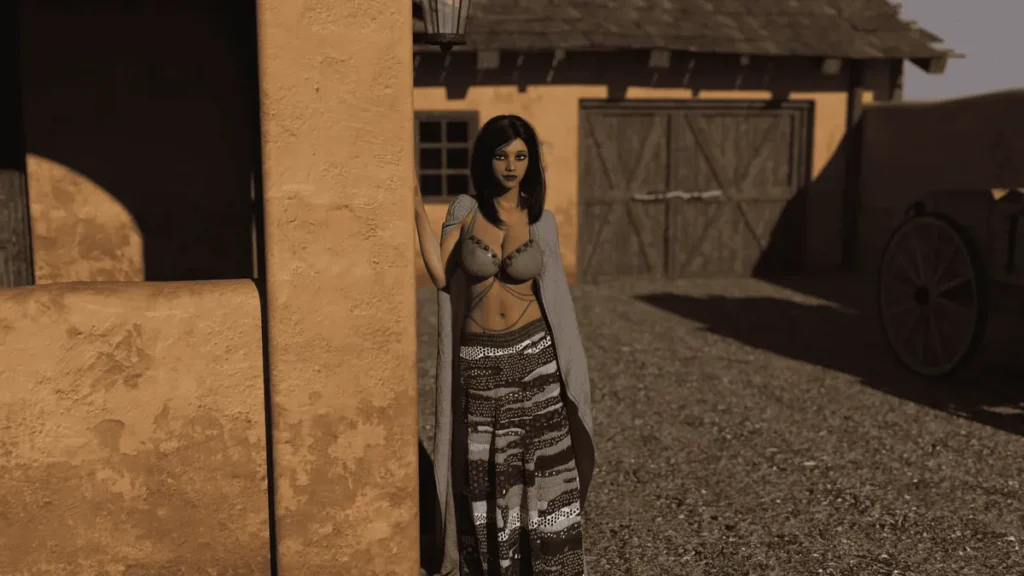

Desert Stalker review
Explore the immersive post-apocalyptic adventure with choice-driven narratives and sandbox exploration
Desert Stalker stands out as a narrative-driven sandbox adventure set in a post-apocalyptic Egypt where you take on the role of a seasoned antiquity scavenger. This choice-based visual novel combines immersive storytelling with player agency, allowing you to shape your character’s path through high-impact decisions that affect how the world perceives you and evolves around your actions. Whether you’re drawn to the gritty dystopian atmosphere, complex character relationships, or the freedom to pursue quests at your own pace, Desert Stalker delivers a richly developed experience that goes beyond typical gaming conventions. The game’s blend of cinematic sequences, atmospheric world-building, and meaningful choices creates an engaging adventure where your decisions genuinely matter.
Understanding Desert Stalker’s Core Gameplay Mechanics
So, you’ve heard about Desert Stalker, this immersive post-apocalyptic adventure everyone’s talking about, but you’re wondering… how does Desert Stalker gameplay work, exactly? 🤔 If you’re picturing a standard visual novel where you just click through dialogue, prepare to have your expectations shattered. This isn’t a passive experience; it’s an invitation to truly inhabit a dangerous, choice-driven world.
The core genius of Desert Stalker gameplay mechanics lies in how it masterfully blends two seemingly opposite styles. On one hand, you have the rich, character-driven storytelling of a visual novel. On the other, you have the open-ended freedom of a sandbox visual novel game. It removes the invisible rails, handing you the map and saying, “Your story, your pace.” It’s about agency—the feeling that your decisions, from the monumental to the mundane, are weaving a narrative unique to you. Let’s break down exactly how it achieves this.
How the Sandbox System Works in Desert Stalker
Forget about linear paths and predefined episode orders. The free-roam quest system in Desert Stalker is its beating heart. Imagine the game world as a living, breathing space. When you boot up your save, you’re often placed in your home base—a hub that slowly grows and changes. From here, you can check your ledger, see available tasks, and decide what kind of Stalker you want to be today. 🏜️
Are you in the mood for advancing the main plot with a key story character? Go for it. Would you rather spend the day gathering scarce resources to upgrade your shelter or trade for supplies? That’s valid, too. Maybe you want to explore a new location on the map, just to see what (or who) you might find. The game doesn’t penalize you for these diversions; it rewards them.
The most refreshing part? This sandbox visual novel game completely avoids the typical open-world tedium. There’s no meaningless grinding or fetch quests designed just to pad the clock. Every location you visit, every character you interact with, and every task you complete is tied to tangible progression. You’ll either:
* Unlock new story beats or character relationships. 💬
* Gain resources crucial for survival and upgrades.
* Discover lore that deepens your understanding of the world.
* Trigger new, unforeseen events or quests.
It’s a loop of constant discovery. You pursue a quest, which leads you to a new area, where you meet someone who gives you a hint about another problem, and suddenly your personal to-do list is filled with things you are genuinely curious about. This organic flow is what sets its gameplay mechanics apart.
To see this contrast clearly, let’s look at how Desert Stalker revolutionizes the traditional formula:
| Gameplay Feature | Traditional Visual Novel | Desert Stalker (Sandbox Approach) |
|---|---|---|
| Story Progression | Linear, chapter-by-chapter. | Branching, player-directed. Pursue main threads or side stories at your own pace. |
| Player Agency | Limited to key narrative choices at specific points. | High. Constant agency in dialogue, exploration, quest selection, and daily actions. |
| World Interaction | Minimal. Usually static backgrounds. | High. Explore multiple interactive locations, gather resources, and manage a home base. |
| Quest Structure | Non-existent or strictly sequential. | Dynamic. A mix of main, side, and emergent quests that populate a living journal. |
| Pacing | Dictated by the game’s script. | Controlled entirely by the player. You choose when to advance critical moments. |
Choice-Based Decision Making and Narrative Impact
Now, let’s talk about the soul of this interactive storytelling game: the consequences. In many games, “choices matter” is a marketing slogan. In Desert Stalker, it’s the fundamental law of the universe. Every conversation, every favor granted or denied, every display of mercy or ruthlessness is quietly tallied by the game’s brilliant choice-based narrative system.
These Desert Stalker player choices operate on multiple levels:
-
Character Perception & Relationships: This is the most immediate impact. Characters remember your attitude. Are you a stoic protector, a cunning opportunist, or a compassionate leader? Your dialogue options and actions build your reputation with each person. A seemingly small act of kindness toward a side character can unlock unique trust-based interactions hours later, while a callous decision might shut down an entire storyline permanently. I learned this the hard way when I brushed off a minor character’s plea for help, only to find them unwilling to vouch for me during a critical main story negotiation later. The game doesn’t forget. 👁️
-
World State & Story Outcomes: Beyond relationships, your decisions alter the physical and social landscape of the game. Resolving a conflict between two factions one way will change which areas are safe to travel, which resources become available, and even which future quests appear on your map. The game features multiple potential endings for its major arcs, and they are built upon the foundation of hundreds of smaller choices you make throughout your journey.
-
Moral & Strategic Weight: The game excels at presenting dilemmas without clear “good” or “bad” answers. You might have to choose between allocating precious water to your own family or to a struggling community that could become a powerful ally. Do you spend your bullets to hunt for food or save them for inevitable defense? These choices aren’t just narrative flavor; they affect your resource stocks, your party’s morale, and your strategic options moving forward.
Pro Tip: Don’t try to metagame on your first playthrough. The most rewarding way to experience this choice-based narrative system is to role-play. Make decisions that feel true to the character you’re embodying. You’ll be amazed at how a coherent, personal story emerges.
Free-Roam Exploration vs. Linear Story Sequences
You might be thinking, “With all this freedom, does the story lose its focus or dramatic punch?” This is where Desert Stalker’s design truly shines. It achieves a masterful balance between its free-roam quest system and carefully crafted linear story sequences. Think of it as a rhythm: the quiet, self-directed tension of exploration followed by the intense, focused crescendo of a story mission. 🎭
The Free-Roam Phases: These are your days of management, exploration, and side stories. You’re in control. You talk to people around your base, check your quest log, and pick a direction. The pacing is yours. Want to spend three in-game days just preparing—crafting, trading, and completing small tasks—before tackling a big story event? Go ahead. This phase builds immersion and investment. You’re not just being told the world is harsh; you’re living the daily struggle of maintaining your gear and your relationships, which makes the story moments feel earned.
The Linear Story Sequences: When you decide to engage with a core story quest, the game smoothly transitions into a more traditional, focused narrative mode. You might travel to a specific location and trigger a series of events, character interactions, and critical choices that play out in a structured sequence. These segments are where major plot revelations occur, character arcs reach turning points, and the interactive storytelling game elements become most intense. Your agency here is expressed through the Desert Stalker player choices within the dialogue and action prompts, not through where you go next.
The magic is in the seamlessness. After a heavy, linear story sequence concludes, you’re often deposited back into the sandbox visual novel game. The consequences of that sequence now ripple into your open world: a new location may be unlocked, a character might now be at your base, or a new threat could appear on your radar. This loop ensures the story never feels disjointed from the exploration; they feed directly into each other.
Furthermore, the game respects your preferences through excellent personalization options. Its content filters are a standout feature, allowing you to tailor the experience. You can adjust the visibility of certain types of content to match your comfort level, ensuring the game’s world feels challenging but not overwhelming. This level of polish extends to the entire interface—clean, intuitive, and responsive, a far cry from clunky templates. It removes friction, so nothing stands between you and the game’s immersive world.
In essence, understanding Desert Stalker gameplay mechanics is understanding a new philosophy of player-driven narrative. It proves that freedom and a compelling, authored story are not mutually exclusive. By giving you the tools to explore its wastes at your own pace and then respecting every choice you make with meaningful consequences, it creates a uniquely personal adventure. Your story in the dunes won’t be like anyone else’s, and that is its greatest achievement.
Desert Stalker represents a sophisticated approach to interactive storytelling, combining sandbox gameplay freedom with meaningful narrative consequences. The game’s strength lies in its ability to balance player agency with compelling character development, allowing you to shape your protagonist’s journey through consequential choices while experiencing a richly detailed post-apocalyptic world. From the intricate faction dynamics and side character relationships to the polished technical presentation and atmospheric world-building, Desert Stalker delivers an experience that transcends typical gaming conventions. Whether you’re drawn to the strategic choice-based gameplay, the emotional depth of character interactions, or the freedom to explore at your own pace, the game offers something distinctive in the visual novel landscape. For players seeking a narrative-driven adventure where your decisions genuinely matter and the story adapts to your playstyle, Desert Stalker provides an immersive experience worth exploring.