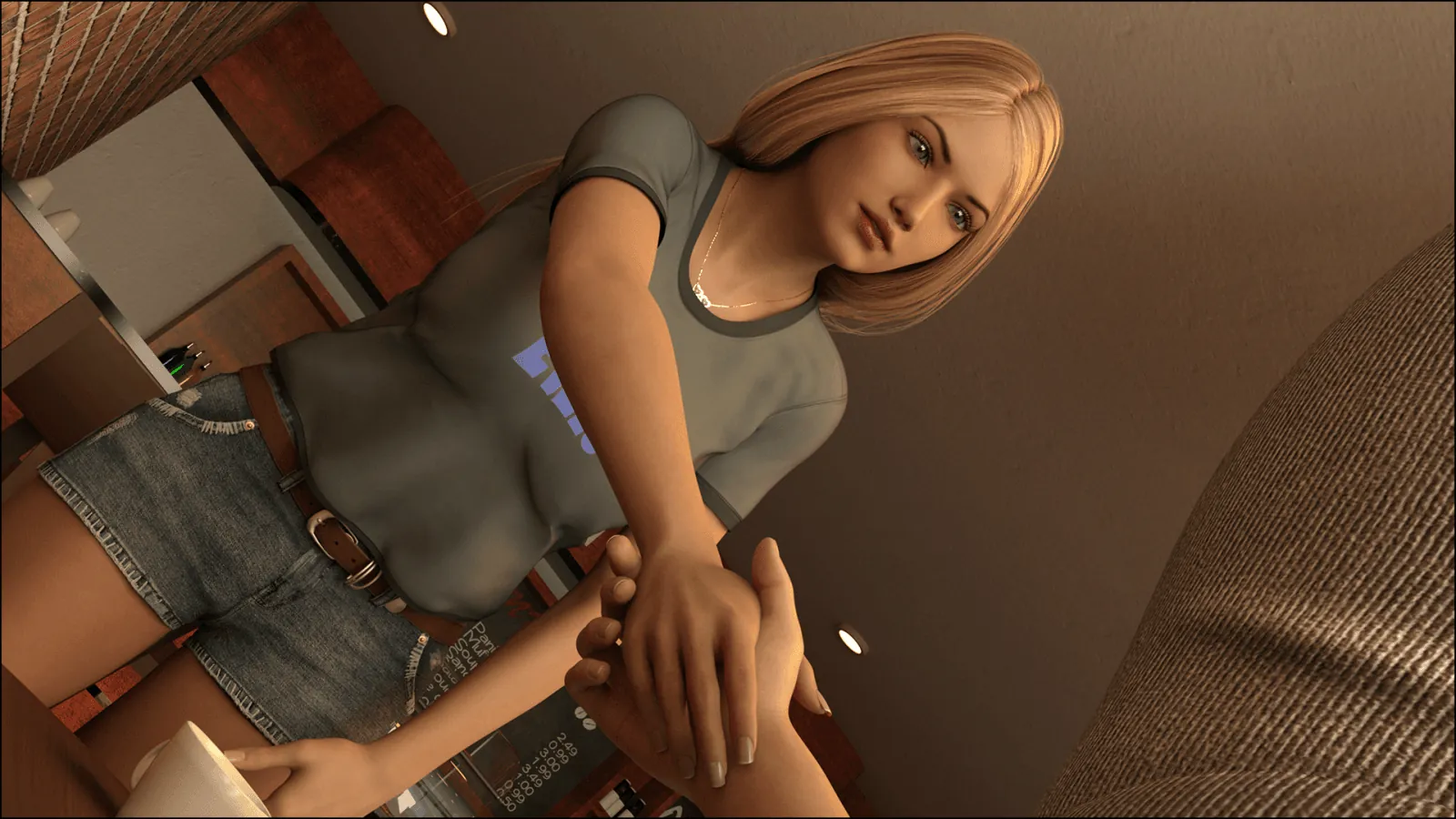
Play Returning to Mia
Returning to Mia Screenshots

















Returning to Mia review
Dive into the captivating sequel with new adventures and familiar faces
Hey there, fellow adventurer—remember the thrill of Summer with Mia? Well, buckle up because Returning to Mia picks up right where that steamy tale left off, two years later, pulling you back into a world packed with fresh encounters and old flames. I still get chills thinking about my first playthrough; the richer storyline hooked me from the opening scene, blending nostalgia with bold new twists. Whether you’re replaying for those intimate moments or jumping in fresh, this guide unpacks everything from character dynamics to smart choices that shape your journey. Let’s explore why Returning to Mia stands out in the visual novel scene and how to make the most of its immersive narrative.
What Makes Returning to Mia a Must-Play Sequel?
I’ll be honest, I almost scrolled right past it. Two years after falling head over heels for Summer with Mia, my algorithm finally served me an ad for its follow-up. There it was: Returning to Mia. My first thought was pure excitement, followed immediately by a twinge of worry. Could a sequel truly recapture that original summer magic, or would it feel like a cheap echo? 🎮
I’m thrilled to report it not only recaptures it—it expands it in every meaningful way. Picking up the story after a deliberate, real-time gap of two years was a masterstroke. You don’t just jump back in; you feel that passage of time. The Returning to Mia storyline immediately pulls you into a world where past choices, even unspoken goodbyes, have weight. This isn’t just another chapter; it’s a maturation of everything you loved, asking deeper questions about connection, growth, and what it truly means to come home to someone. If you’re wondering what is Returning to Mia about at its core, it’s about the beautiful, complicated work of rebuilding a connection on a foundation of cherished memories.
Let’s dive into what makes this Summer with Mia sequel an essential play.
How Does the Story Evolve from Summer with Mia?
The genius of Returning to Mia lies in its respectful handling of time. The story doesn’t pretend you never left; it builds upon your absence. You arrive back in the familiar setting, but everything is viewed through a new, slightly wiser lens. The carefree summer fling is now a potential lifelong anchor, and the narrative explores that transition with remarkable sensitivity.
The core Returning to Mia plot summary revolves around reunion and rediscovery. You are drawn back into Mia’s world, but it’s a world that has continued to turn in your absence. New friendships have formed, old dynamics have shifted, and Mia herself has layers you haven’t seen before. The game expertly balances nostalgic comfort with thrilling novelty, pushing you to explore deeper emotional territory. The stakes are inherently higher because you’re not just building a relationship—you’re deciding if and how to rebuild one, with all the history and potential hurt that involves.
To see just how much the experience has grown, let’s look at the scope:
| Feature | Summer with Mia | Returning to Mia |
|---|---|---|
| Core Story Length | ~8-10 Hours | ~15-20 Hours |
| Significant Characters | 6 | 11+ |
| Major Story Endings | 2 Primary Paths | 5+ Distinct Variations |
| Location Density | 1 Main Town | Expanded Town + New Districts |
| Relationship Mechanics | Basic Affinity | Deepened Trust & History Systems |
This expansion isn’t just for show. Every extra hour is packed with meaningful interaction, and those multiple endings mean your choices genuinely carve a unique path. The Returning to Mia storyline has the space to breathe, allowing for subplots and character arcs that would have been impossible in the first game.
Who Are the New and Returning Characters?
The heart of any great story is its people, and Returning to Mia delivers a phenomenal cast that blends beloved favorites with compelling newcomers. This mix is what makes the social landscape feel so alive and dynamic. 🤝
Returning Faces, Deeper Stories:
Mia is, of course, the centerpiece. She’s recognizable—that same warm smile, those insightful comments—but there’s a new complexity to her. The writing gives her agency, dreams, and frustrations that existed outside of your summer together. Reconnecting feels like slowly peeling back the pages of a book you thought you’d finished, only to find new, crucial chapters.
Key friends from the first game also return, like the ever-loyal Alex and the pragmatic Sam. They’re not just set dressing; they’ve lived their own lives for two years. Your conversations with them reflect this, offering new perspectives on the past and challenging your view of the present. They act as both mirrors and guides, their reactions to your return adding rich texture to the narrative.
The New Characters in Returning to Mia:
This is where the world truly opens up. The new characters in Returning to Mia aren’t just additions; they’re integral to the theme of moving forward. They represent the life Mia built in your absence, and how you interact with them becomes a key part of your journey.
- Leo: A fellow artist Mia befriended. He’s passionate, slightly competitive, and serves as a fascinating foil. Is he a rival, a friend, or a bridge to understanding a new side of Mia? Your interpretation directly shapes several story branches.
- Elena: Mia’s no-nonsense cousin who arrives with her own burdens. She provides grounded, often hilariously blunt advice, but also has her own vulnerable storyline about family and self-discovery.
- Kai: The owner of a new seaside cafe that becomes a central hub. He’s the community’s quiet anchor, observing everyone and offering wisdom (or just a great cup of coffee) when needed. Building a friendship with him unlocks sweet side stories about the town itself.
- Riley: A vibrant, ambitious young professional new to the area. She represents a future full of possibilities and challenges Mia (and you) to think beyond the comfort of the familiar.
Interacting with this expanded cast creates a web of relationships where every conversation can tip the scales. Choosing to spend an afternoon with Leo might unlock an art show subplot, while helping Elena could reveal a hidden facet of Mia’s family life. These new characters in Returning to Mia ensure that no two playthroughs have the same social rhythm.
Why Is the Narrative So Addictively Rich?
If Summer with Mia was a charming short story, Returning to Mia is an epic novel where you hold the pen. The narrative richness is its crowning achievement, creating a loop of “just one more day” that is incredibly hard to break. 📖
This depth comes from the game’s commitment to consequence. Early, seemingly innocent dialogue choices can gently steer the story’s direction hours later. It’s not about “good” or “bad” choices, but about defining the tone of your relationships. Are you playful or sincere? Do you push for answers or give space? The game remembers, and characters will reference your past attitudes, making every interaction feel continuous and earned.
The promise of multiple endings isn’t a gimmick. We’re talking about five truly distinct narrative conclusions, with dozens of smaller variations in the epilogues based on your bonds with the supporting cast. One ending might see you and Mia embracing a quiet, local future, while another could lead to a bittersweet parting as you support each other’s separate dreams. Another might even focus on finding deep fulfillment in the new friendships you’ve built, presenting a powerful “found family” resolution. This isn’t just about romance; it’s about the totality of the life you shape.
My Top Tip for Your First Playthrough: Save often, and in different slots! Don’t try to “game” the system on your first go. Play from the heart, see where your instincts lead you, and then use those saves to go back and explore the roads not taken. The magic is in seeing how a single different response can ripple out into a completely unique experience.
The polish of the writing elevates everything. The emotional stakes are palpable because the characters feel so real. I remember one pivotal, late-game scene (I won’t spoil it!) where a simple conversation on a pier under a stormy sky had me putting my controller down just to process it. The music swelled, the dialogue options were all painfully honest, and I felt the full weight of every virtual moment that led there. That’s the power of this Summer with Mia sequel.
In my opinion, Returning to Mia surpasses the original precisely because it leverages your history. It uses your fond memories as emotional capital to invest in a richer, riskier, and more rewarding story. It trusts the player to handle complexity and rewards that trust with a profoundly personal narrative journey.
- Your Choices Are the Story: Gone are simple right/wrong picks. Every decision feeds into a unique character dynamic.
- Time is a Character: The two-year gap is constantly felt, adding layers of longing, mystery, and personal growth.
- The World Feels Lived-In: New and old characters interact independently, creating a believable social ecosystem.
- Replayability is Built-In: With so many endings and hidden scenes, your second playthrough can feel like a different game.
- The Payoff is Emotional: The writing aims for the heart and rarely misses, making victories sweet and setbacks genuinely affecting.
Ready to continue your journey? In our next sections, we’ll break down the most crucial choices you’ll face and provide a roadmap to unlocking every one of those captivating endings in Returning to Mia. Your story is waiting to be written. ✨
There you have it—Returning to Mia isn’t just a sequel; it’s a deeper dive into relationships, choices, and those heart-pounding moments that keep you coming back. From reuniting with beloved characters to uncovering new paths, my journeys through its branches have been endlessly rewarding, blending nostalgia with fresh excitement. If you’re ready to lose yourself in this captivating world, grab it now, experiment with every decision, and share your favorite endings in the comments. What’s your go-to choice that changes everything? Dive in and find out why this gem deserves a spot in your collection.