Second Chance
Play Second Chance
Second Chance Screenshots



Second Chance review
A practical, story-driven look at the Second Chance adult visual novel experience
Second Chance is an adult-oriented visual novel that blends relationship-building, branching choices, and slow-burn storytelling into one replayable experience. In this guide, I’ll walk you through how the game feels to play in practice, from its narrative tone to its character interactions and choice-driven paths. Instead of just listing features, I’ll share how these systems come together during a real playthrough, where I made mistakes, what I’d do differently next time, and how you can better enjoy your own run through Second Chance.
How Second Chance Works: Story, Choices, and Core Gameplay
If you’re anything like me, you probably installed the Second Chance game with a few simple expectations: a good story, some interesting characters, and maybe a few spicy scenes. What I didn’t expect was to get completely hooked by the mechanics of it all. I went in blind, clicking dialogue options that felt right in the moment, only to realize hours later that a seemingly innocent joke in Chapter 2 had quietly locked me out of an entire character’s arc by Chapter 5. 😅 That’s the magic—and the mild panic—of this adult visual novel Second Chance. It’s a deeply personal, story-driven experience where your attention and choices are the real currency.
This chapter is the practical, spoiler-light guide I wish I’d had. We’ll break down how this Second Chance visual novel actually works, from the story it tells to the weight of every decision you make. Consider this your friendly primer for navigating its heartfelt, complicated, and incredibly rewarding world.
What kind of story does Second Chance tell?
At its core, the Second Chance story overview is exactly what it sounds like: a narrative about redemption, new beginnings, and the fragile, messy work of rebuilding a life. You don’t play as a superhero or a chosen one; you’re someone who has stumbled, someone with a past that’s perhaps a little frayed at the edges. The premise is beautifully simple and universally relatable: you’re given an opportunity to reset, to return to a place or a group of people from your past, and try to write a better future.
The Second Chance game leans heavily into themes of mending broken trust, confronting old mistakes, and tentatively exploring new connections (or rekindling old ones). The tone isn’t overly dramatic or dark; it feels grounded, often bittersweet, and surprisingly hopeful. Yes, it’s an adult visual novel Second Chance, which means relationships can develop into romantic and intimate territories, but these moments feel earned. They are extensions of the emotional connections you build through conversation and shared history, not the sole focus.
The key thing to understand is that Second Chance is a marathon of dialogue and character observation, not a sprint of quick-time events or puzzles. If you’re the kind of reader who skips text to “get to the good bits,” you’ll miss the entire point—and most of the good bits! ✨ The joy here is in the subtle details: a character’s slight frown at a careless comment, the subtext in a memory they share, or the way a relationship slowly changes direction based on dozens of small interactions. The story unfolds through reading, listening, and being present in these moments.
How do choices shape your Second Chance playthrough?
This is where the Second Chance visual novel truly separates itself from more linear stories. Your Second Chance choices are not just cosmetic; they are structural. They directly determine which scenes you see, which characters open up to you, and ultimately, which endings become available. Think of it as tending a garden: every dialogue option, every decision on how to spend your time, is like watering one plant over another. Some relationships will bloom, while others will quietly wither.
Let me give you a concrete, personal example from my first, fumbling playthrough. Early on, I met a character who was clearly guarded and carrying some heavy baggage. In a casual conversation, they made a self-deprecating comment. I had two response options: one was a gentle, understanding probe, and the other was a lighthearted, deflecting joke. Thinking I’d keep the mood light, I chose the joke. They laughed along, and the scene moved on. No big deal, right?
Wrong. 🚨 Several chapters later, this character was hosting a pivotal, vulnerable scene where they revealed a key part of their past. My save file? I wasn’t invited. That earlier joke had signaled to the game that I wasn’t a person they could be serious with. That branch of their story was closed. On my second playthrough, choosing the thoughtful, understanding response unlocked that entire emotional scene, completely changing my perception of the character and the narrative possibilities.
So, what forms do these critical Second Chance choices take?
* Dialogue Options: The most frequent and impactful. They define your personality and your relationship with each character.
* Time & Resource Management: You might choose who to spend an evening with, which project to focus on, or how to invest your (in-game) energy. These choices prioritize certain story paths.
* Major Branch Decisions: Key moments, often at chapter ends, that dramatically shift the plot’s direction.
My hard-earned, practical advice?
Don’t speed-read. The game’s feedback is often in the character’s immediate reaction, not a flashing notification.
Be consistent. If you want to pursue a deep connection with someone, your choices should consistently reflect care, interest, and respect for their boundaries.
Embrace the role-play. Decide who you want to be in this story and make choices that align with that persona. The narrative will shape itself around your version of the protagonist.
To help visualize the ripple effect, here’s a simplified look at how an early choice can branch:
| Your Early Choice | Character Perception | Potential Later Outcome |
|---|---|---|
| Listen patiently to a character’s problem and offer support. | You are trustworthy and empathetic. | Unlocks confidential scenes where they seek your advice, potentially leading to a deeper romantic path. |
| Brush off their problem with a “you’ll be fine” attitude. | You are casual and perhaps self-involved. | They stop sharing personal details with you. Their route remains friendly but superficial, closing off intimate story content. |
What should new players expect from the gameplay loop?
The Second Chance gameplay is elegantly simple on the surface but rich with consequence beneath. If you’re coming from games with complex stats, combat, or crafting systems, reset your expectations. Here, the “gameplay” is the act of engagement. The loop is about progression through narrative cause and effect.
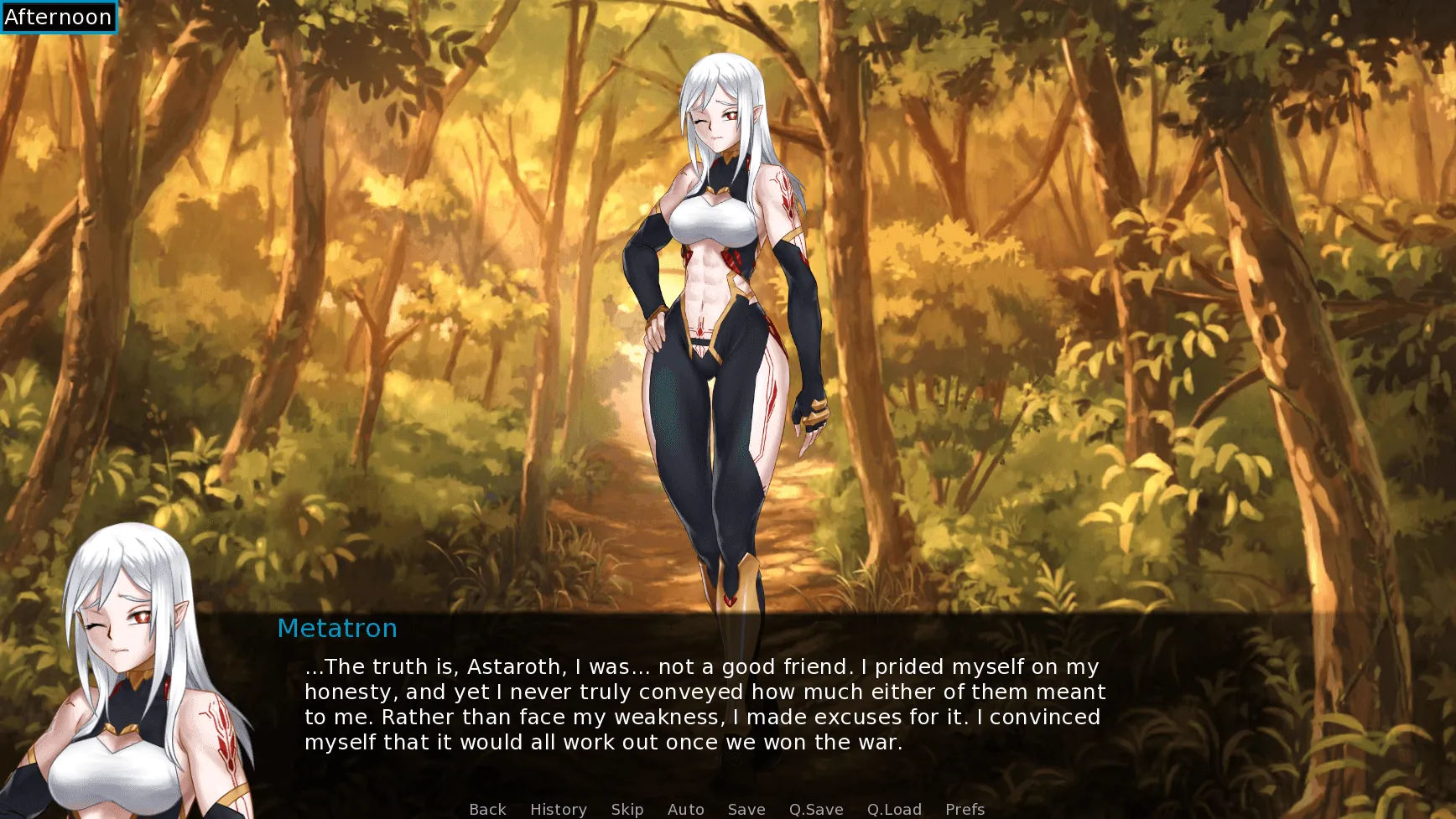
A typical session of the Second Chance game flows like this: You read through a beautifully rendered scene with character sprites and backgrounds. You reach a point of interaction—usually dialogue. You choose from a set of responses, each flavored with a different tone (Kind, Flirty, Joking, Direct, etc.). You then witness the immediate reaction. The story advances, and you may reach a “day” or “chapter” conclusion where your aggregate choices are tallied, steering you toward a specific character’s route or a particular story outcome. Sometimes, you’ll have a simple menu to decide how to spend your time, like “Go to the bookstore” or “Visit X at their home.”
There is no “game over” screen. The challenge and satisfaction come from navigating the social and emotional puzzle, planning the story you want to see unfold. The Second Chance gameplay rewards curiosity and patience. A “bad” choice isn’t one that ends the game; it’s one that leads to a story branch you might not have intended, which is itself a valuable and often poignant experience.
Here’s my straightforward advice for starting your first playthrough of how to play Second Chance:
1. Pick a Lane Early: Glance at the characters and decide whose story you’re most curious about first. Focus your attention and choices on them. You can’t see everyone’s full story in one go, and that’s by design.
2. Abandon Perfection: Your first run should be for you. Make choices that feel genuine in the moment, not the ones you think are “correct.” The surprise of the consequences is a huge part of the fun.
3. Save Strategically: Get into the habit of creating a new save file at the start of each new chapter or before a major decision. This lets you revisit key branches without replaying everything—a lifesaver when you realize you’ve missed a scene you’re dying to see.
4. Talk to Everyone: Even if you’re not pursuing someone romantically, chatting with all characters fills in the world and can lead to unexpected, fulfilling subplots.
To crystallize the core loop of this Second Chance visual novel, here’s what you’ll be doing, cycle after engaging cycle:
- Read: Immerse yourself in the narrative and the nuanced character writing.
- Choose: Make decisions that reflect your desired path and personality.
- Observe: Watch for character reactions—the true feedback mechanism.
- Branch: Live with the consequences as the story permanently shifts direction.
Ultimately, the Second Chance game is an experience about attention and intention. It asks you to slow down, to care about the details, and to understand that in life—and in this clever, compelling novel—words and small gestures are the most powerful tools we have to build, or break, our second chances. Your playthrough will be uniquely yours, a product of your patience and curiosity. Now that you know how it works, you’re ready to step into that world and shape your own story.
Second Chance is at its best when you let yourself lean into the story, accept that your first run will be imperfect, and pay attention to how your decisions shape each relationship. If you enjoy character-driven narratives, slow-burn tension, and replayable routes, it can be a surprisingly engaging way to spend an evening or two. My suggestion is to treat your first playthrough as a discovery run, then come back with a clearer idea of which storylines you want to see in full. When you’re ready, start a new save, take your time with every scene, and give the game—and its characters—the second chance they deserve.