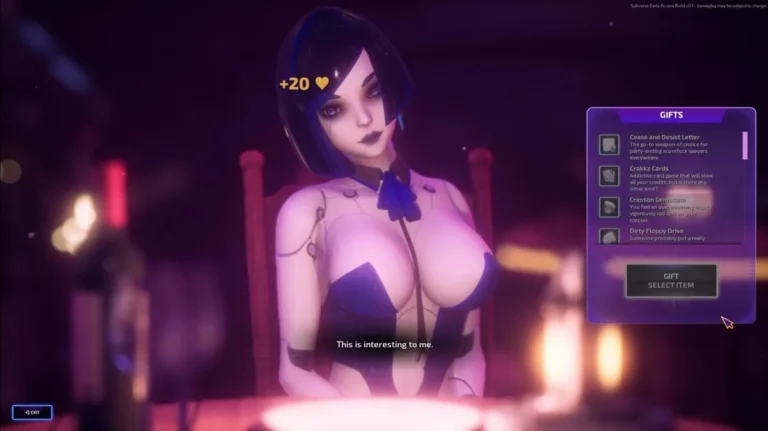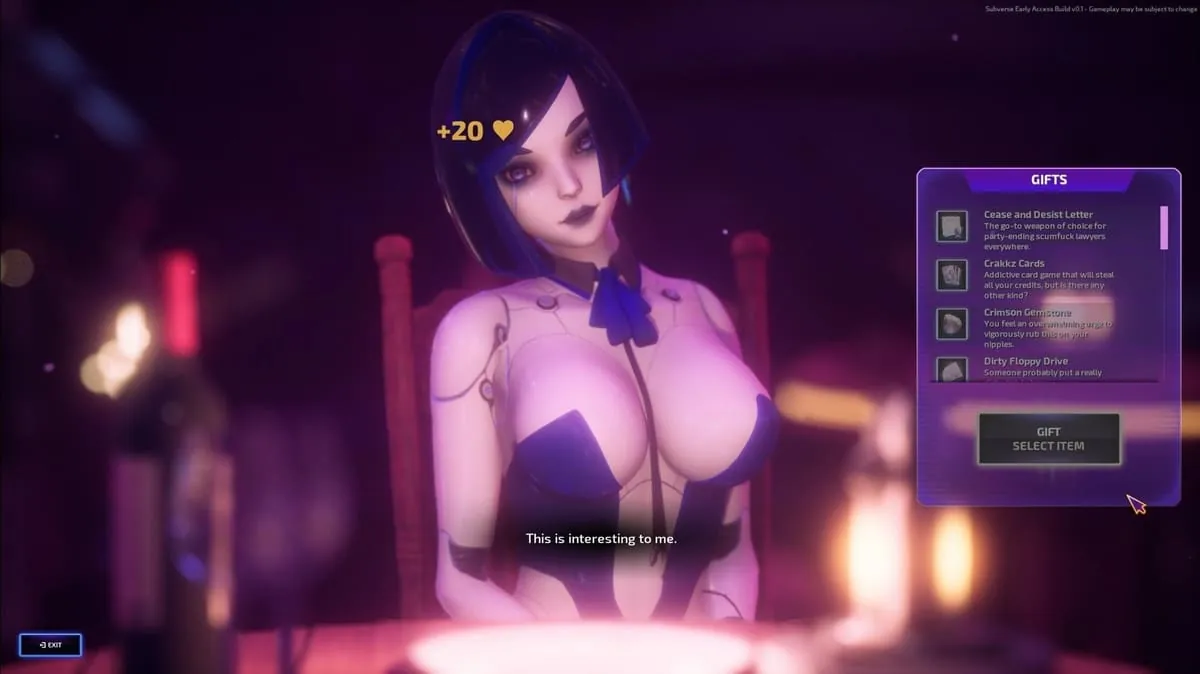
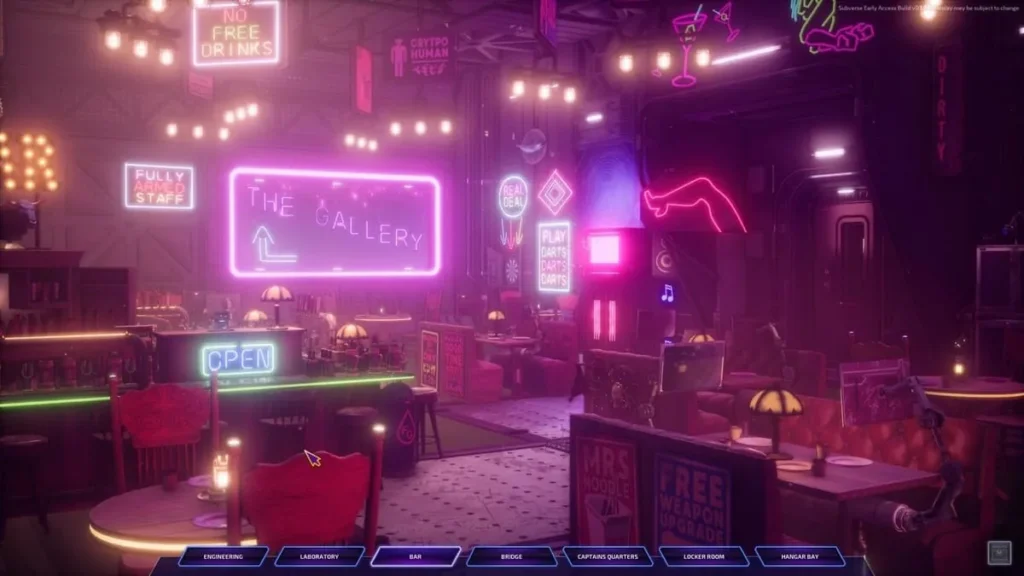
Subverse Screenshots

Subverse review
A hands-on guide to gameplay, story, characters, and tips for enjoying Subverse
Subverse is a sci‑fi tactical role‑playing and shooter hybrid that blends narrative scenes with turn‑based grid combat and arcade-style flight sections while featuring mature-themed content that is central to its design. This article walks you through what Subverse offers, its core mechanics, the main characters and story beats, and practical tips I learned while playing — including setup advice and how to get the most out of character progression. Whether you’re evaluating a purchase or already playing, this guide will help you understand the game’s systems and how they connect to the narrative.
Gameplay Overview: How Subverse Plays
Alright, pilot, let’s get you strapped in and talk brass tacks about how this wild ride actually works. 🚀 If you’re coming into Subverse gameplay expecting just one thing, you’re in for a surprise. The magic—and the challenge—of how to play Subverse is that it masterfully blends three distinct genres into one cohesive loop. It can feel like juggling chainsaws at first, but once you see how the pieces connect, it becomes incredibly satisfying.
Let me break down the core loop. You’re the captain of the spaceship Mary Celeste, and your goal is to build a crew, strike back against a galactic empire, and uncover a deeper mystery. This plays out in a mission-based structure. You pick a story mission from the star map, which will almost always involve either a tactical ground assault (the grid combat Subverse is famous for) or a thrilling spaceship battle (the Subverse shmup sections). Succeed, and you’re rewarded with credits, materials, and most importantly, time with your crew back on the ship to deepen your bonds. It’s this cycle of high-stakes action followed by character-driven downtime that defines the entire experience.
Core systems: grid combat, shmup sections, and visual scenes
This is the holy trinity of the Subverse combat system and its narrative engine. Each requires a different mindset.
Tactical Grid Combat: Your Chessboard of Chaos ♟️
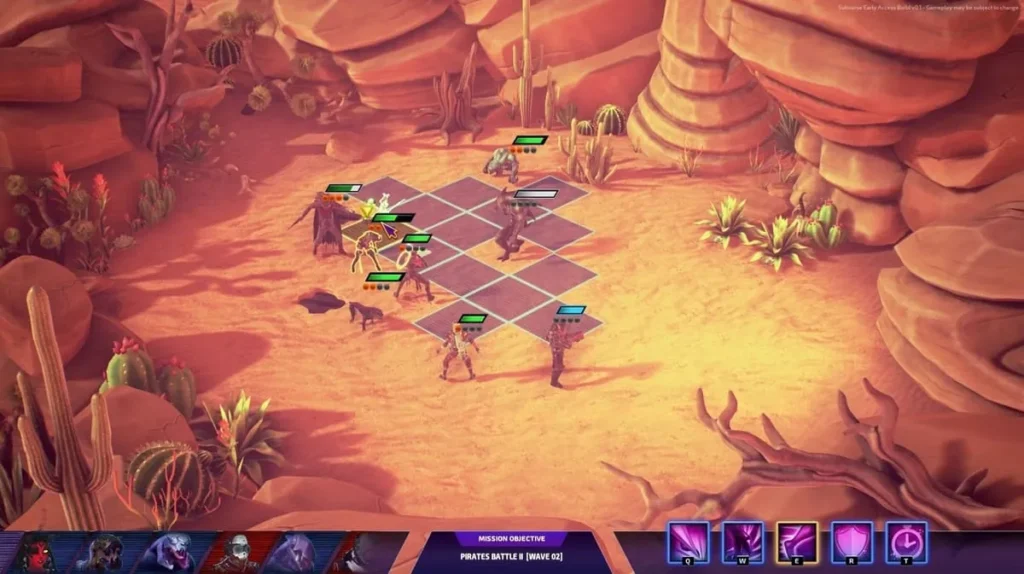
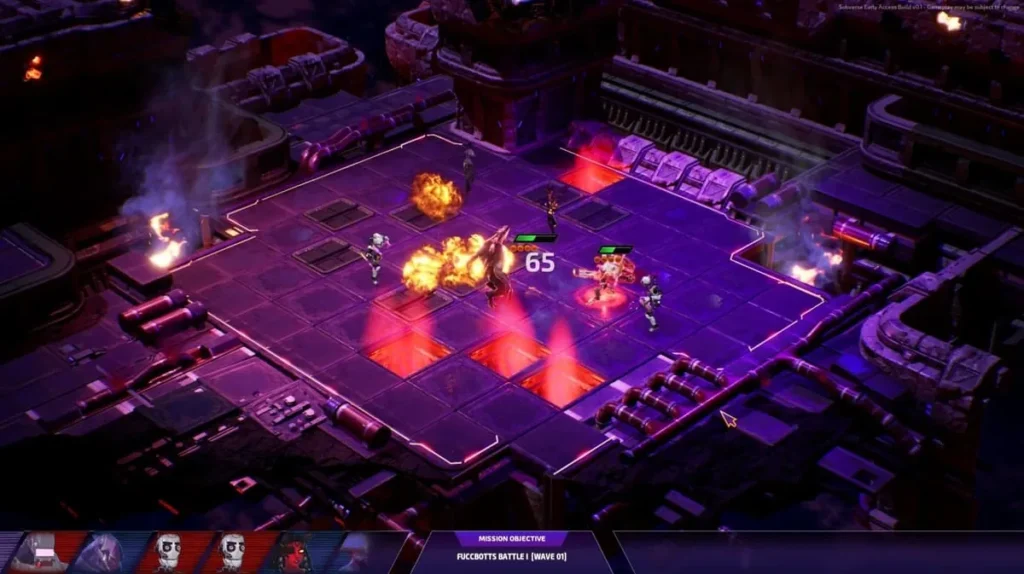
This is the turn-based, tactical heart of the Subverse gameplay. You control your squad of Waifus (each a unique character with classes like Assault, Sniper, or Engineer) on a grid-based map against waves of enemies. The basics are familiar: move, take cover (which is vital), use abilities, and shoot. But Subverse adds its own spice with reinforcement waves. You don’t just clear a map; you often have to survive multiple turns of enemies dropping in, which completely changes your positioning strategy.
My “aha!” moment came on an early planet assault. I’d blobbed my squad together for focused fire, and it was working… until the reinforcement warning flashed and new enemies spawned behind my cover. I was flanked and nearly wiped. Reloading, I spread my team out, using two separate high-cover points to cover each other’s blind spots. That simple change—thinking about the map in zones of control rather than just kill zones—turned a near-failure into a smooth victory. Positioning isn’t just for offense; it’s your best defense against the reinforcement mechanic.
Arcade SHMUP Sections: Piloting the Mary Celeste 🕹️
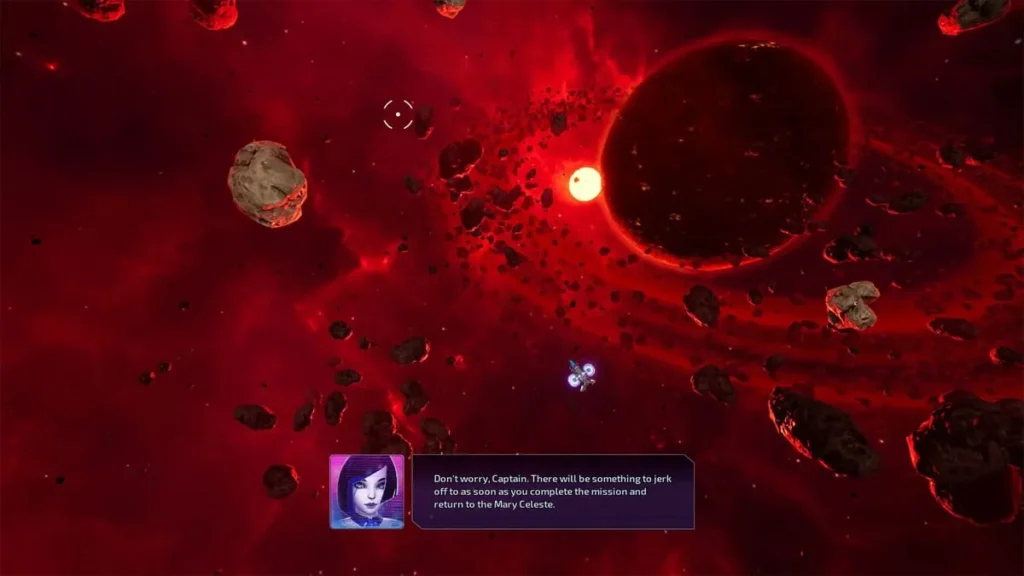
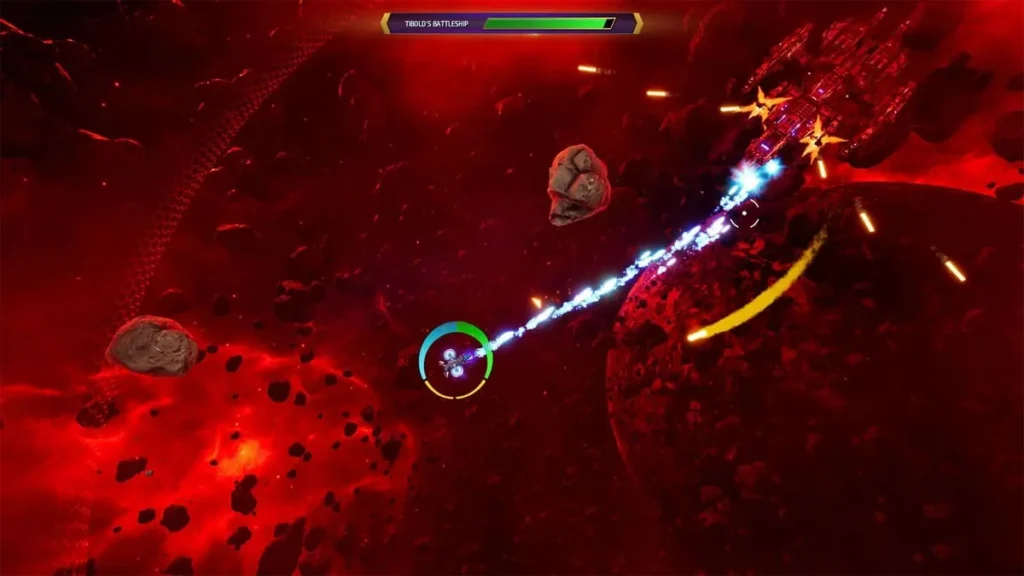
When the mission calls for space combat, the game switches to a shoot ’em up perspective. These Subverse shmup sections come in two flavors: classic vertical scrolling and free-roam arena battles. You directly control the Mary Celeste, dodging bullet patterns, managing a heat gauge for your weapons, and using a handy dash move for those “oh crap” moments. The key here is environmental awareness; some asteroids or structures can provide temporary cover. It’s a fantastic change of pace that tests your reflexes instead of your tactics.
Narrative & Scene Sequences: Building Your Crew 💬
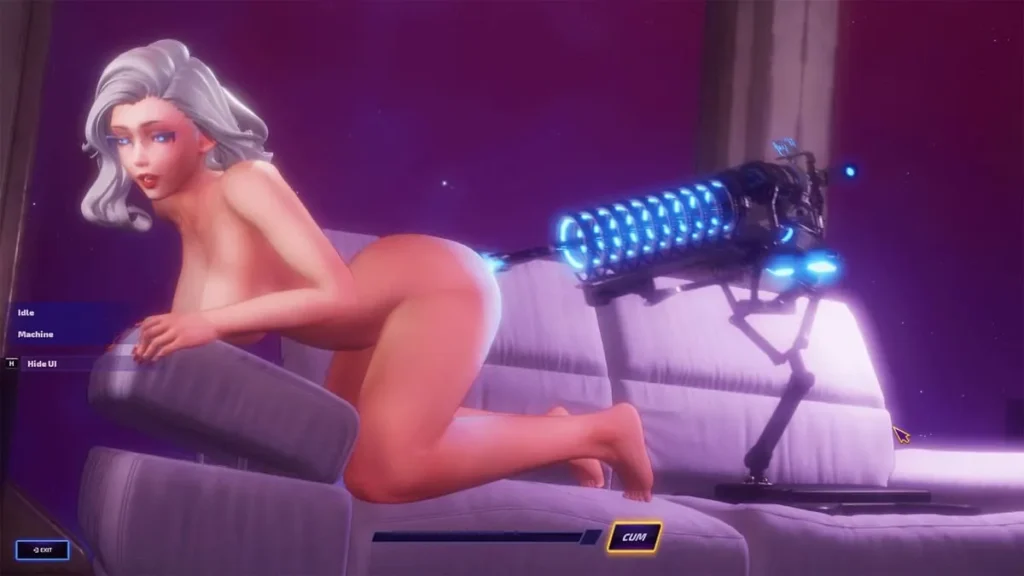
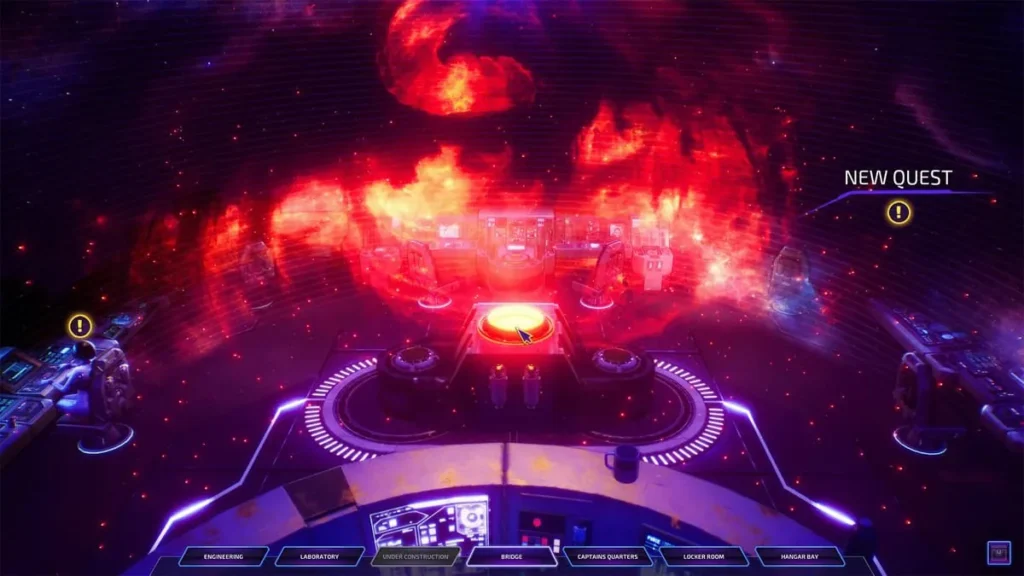
Back on the ship is where the story unfolds and bonds are forged. Through visual novel-style conversations and interactive scenes, you learn about your crew’s personalities, pasts, and quirks. Your choices and mission success build Devotion with individual characters and overall Affection with the crew. This isn’t just fluff; it’s the core of the Subverse progression guide. Raising these levels unlocks new abilities for them in combat, new scenes, and entries in the Pandora system, which is your central repository for all unlockable cinematic content.
Progression and crew mechanics
Your power growth in Subverse is directly tied to your crew. It’s a brilliantly interconnected system.
- Crew Leveling & Abilities: Each crew member gains XP from missions. Level them up to earn Skill Points. You spend these on unique skill trees to unlock and upgrade powerful active and passive abilities. Lily, your first mate, might unlock a grenade, while the sniper Huntress could get a skill that ignores enemy cover.
- Devotion & Affection: Think of Devotion as your personal relationship meter with a character. Raising it through story interactions unlocks their personal skill tree branches. Affection is the crew’s overall morale. Increasing it, primarily by completing main story missions, unlocks global upgrades and is key to accessing the broader narrative.
- Resources & Upgrades: You’ll earn Credits and various Materials from missions. Credits are used for one-time purchases like new weapons for your SHMUP sections or cosmetic unlocks. Materials are used to craft permanent stat upgrades for your crew at the engineering station, boosting their health, damage, or critical chance.
- The Pandora System: This is your end-game content hub and a major reward driver. By playing missions, raising affection, and finding hidden collectibles (Bio-Data), you unlock points to spend in Pandora. This lets you access curated cinematic scenes and special interactions. It’s the meta-goal that ties all gameplay together.
To visualize the core progression loop:
| Activity | Primary Reward | Progression Impact |
|---|---|---|
| Complete Grid Combat Mission | Credits, Crafting Materials, Crew XP | Unlocks Story Scenes, Levels up Crew for new Abilities |
| Complete SHMUP Mission | Credits, Ship Parts, Affection | Unlocks Ship Upgrades, Advances Main Plot |
| Interact with Crew on Ship | Devotion Points | Unlocks Character-specific Skills & Pandora Content |
| Spend Resources at Stations | Permanent Upgrades | Increases Combat/SHMUP effectiveness for all future missions |
Controls, difficulty options, and quality-of-life settings
How to play Subverse comfortably is about setting up the game to suit your style. On PC, controls are straightforward:
* Grid Combat: Point-and-click movement and actions. Abilities are on a radial menu or hotkeys. Camera rotation is key for planning.
* SHMUP Sections: WASD to move, mouse to aim and fire. Shift for a quick dash/strafe. Spacebar for your special weapon.
Now, for the Subverse tips for beginners that are truly essential: dive into the Settings menu before you hit the first mission.
Difficulty & Accessibility: 🛡️
The game offers generous options. You can adjust combat and SHMUP difficulty independently. If you’re here more for the story, feel free to drop the SHMUP difficulty to Casual—it removes the bullet-hell patterns and lets you enjoy the spectacle. The grid combat can also be tuned. There’s even a “Story Mode” that makes battles much easier. Don’t be shy; tailor the challenge to your fun.
Critical Quality-of-Life Settings: ⚙️
* Turn Off Gore: This is a personal one, but toggling this can make the grid combat visually cleaner and less distracting.
* Adjust Text Speed: The visual novel segments are lengthy. Crank up the text speed to match your reading pace.
* Enable Subtitles: Always a good idea.
* Combat HUD: Play with the opacity and tooltips to ensure you can always see health bars and cover indicators clearly.
My biggest early mistake was ignoring these settings and getting frustrated in a SHMUP section. I tuned it down one notch, and suddenly I was having a blast instead of banging my head against the keyboard. The game wants you to enjoy all its parts.
Your Starter Checklist: First 5 Hours in Subverse
To wrap this Subverse progression guide into actionable steps, here’s your beginner’s mission log. Tick these off to build a solid foundation:
- Recruit Your First Two Core Crew Members: Focus on Lily and Huntress. Their abilities (close assault and long-range cover destruction) synergize perfectly for early grid combat Subverse challenges.
- Unlock a Primary Ability for Each: Spend your first Skill Points. Grab Lily’s Grenade and Huntress’s Armor-Piercing Shot. These are game-changers against tough early enemies.
- Complete the First Three Story Missions: This will force you to try both combat styles and give you a feel for the loop. It also boosts your Affection level significantly.
- Visit the Engineering Bay: Craft at least one permanent +Attack or +Health upgrade for your main crew. This small investment makes a noticeable difference.
- Buy One SHMUP Weapon Upgrade: Spend credits on a new primary weapon for the Mary Celeste. More firepower makes the Subverse shmup sections more manageable.
- Configure Your Settings: Seriously, take 5 minutes. Adjust difficulties and enable those QoL features for a smoother ride.
Mastering Subverse gameplay is about embracing its hybrid nature. Savor the tactical puzzles of grid combat, enjoy the arcade rush of the SHMUP sections, and invest in the characters during the quiet moments. Do that, and you’ll not just play Subverse—you’ll command it. 🎯 Good luck, Captain.
Subverse combines tactical grid combat, arcade-style flight encounters, and character-driven narrative sequences into a distinct sci‑fi experience; understanding how its systems link — crew recruitment and loyalty, mission flow, and progression — helps you enjoy the game more and make smarter in-game choices. Whether you’re curious about the story, optimizing performance, or building effective crews, the practical tips and examples above will shorten your learning curve. If this guide helped, try the starter checklist, experiment with different crew combinations, and join community hubs to keep up with updates and mods.