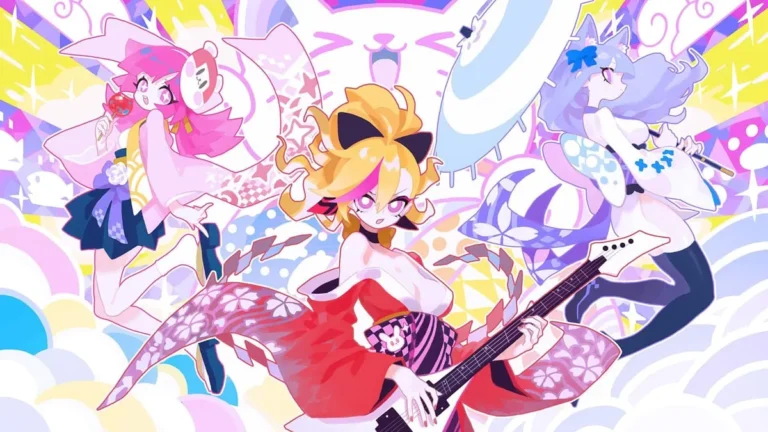
Muse Dash Screenshots
Muse Dash review
Discover the Beat-Driven Adventure and Its Mature DLC Secrets
Hey there, rhythm game fans! If you’ve been tapping your feet to Muse Dash, you’re in for a treat. This addictive endless runner blends hyper-speed beats with cute characters that pack a playful punch. But let’s be real—what draws so many players is that cheeky fanservice vibe, especially with the adult pack DLC unlocking spicier scenes for 18+ crowds. I remember my first marathon session; hours flew by as I dodged obstacles to those catchy tunes. In this guide, we’ll dive into what makes Muse Dash tick, from core rhythms to those mature extras that keep you coming back. Ready to sync up?
What Makes Muse Dash a Rhythm Sensation?
I remember the exact night I fell into the Muse Dash rabbit hole. 😅 It was one of those 2 AM scrolling sessions, looking for something to fill the silence. The vibrant, almost aggressively cheerful icon popped out at me. “Just one quick game,” I thought. Two hours later, my fingers were sore, my heart was pounding to an anime-techno hybrid beat, and I was utterly, completely hooked. What I discovered was more than just another rhythm title; it was a perfect storm of addictive Muse Dash gameplay, adorable aesthetics, and a beat that gets right into your bones.
So, what is it about this game that turns “one quick game” into an all-night session? Let’s dive into the heart of the rhythm and find out.
How Does Muse Dash Blend Rhythm and Action?
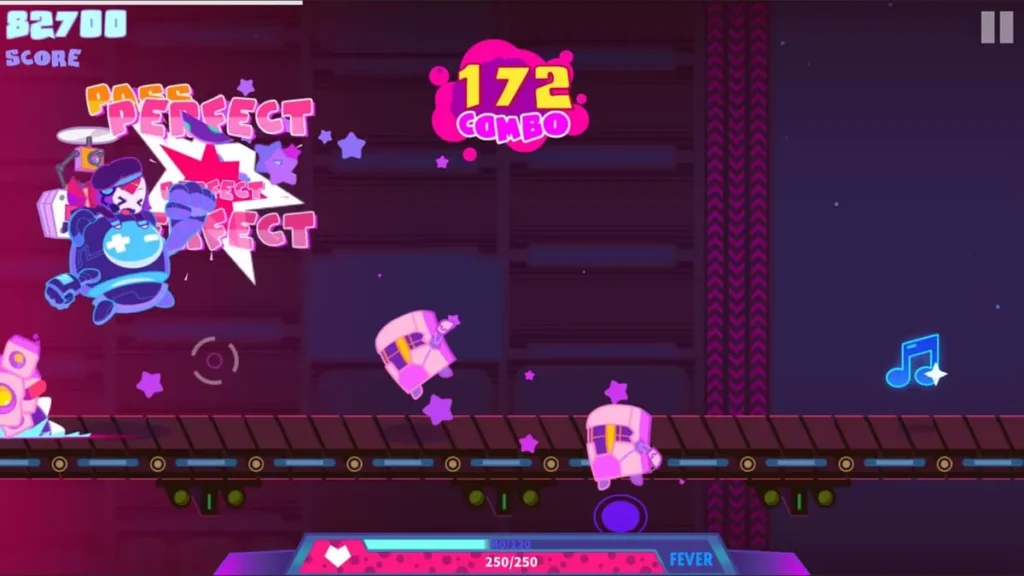
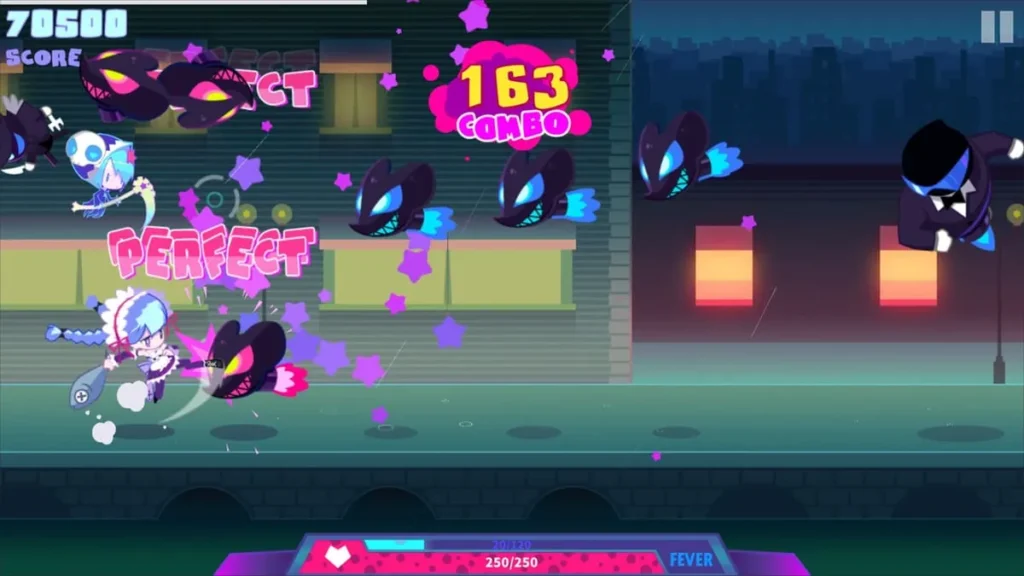
At its core, how to play Muse Dash is beautifully simple. You control a character—a “muse”—running endlessly from left to right on a 2D plane. Your job is to hit the notes that fly toward you. Some require a tap to attack enemies on the ground. Others need a jump to clear obstacles or strike airborne foes. Later, slides will have you holding the button to glide under barriers. That’s it. Tap, jump, hold. If you’ve ever played an endless runner rhythm game, this will feel instantly familiar, yet brilliantly refined.
But don’t let the simplicity fool you. The genius of Muse Dash gameplay lies in how it layers these basic actions onto the music. It’s not just about reacting to what’s on screen; it’s about feeling the song. A powerful bass drop might coincide with a rapid series of ground notes you have to hammer through. A melodic high note might be represented by a single, perfectly timed jump. The rhythm game mechanics are designed to make you embody the track. You’re not just listening to the music; you’re interacting with it, physically shaping it with every action. This fusion is what transforms a simple runner into a pulsating, dynamic experience.
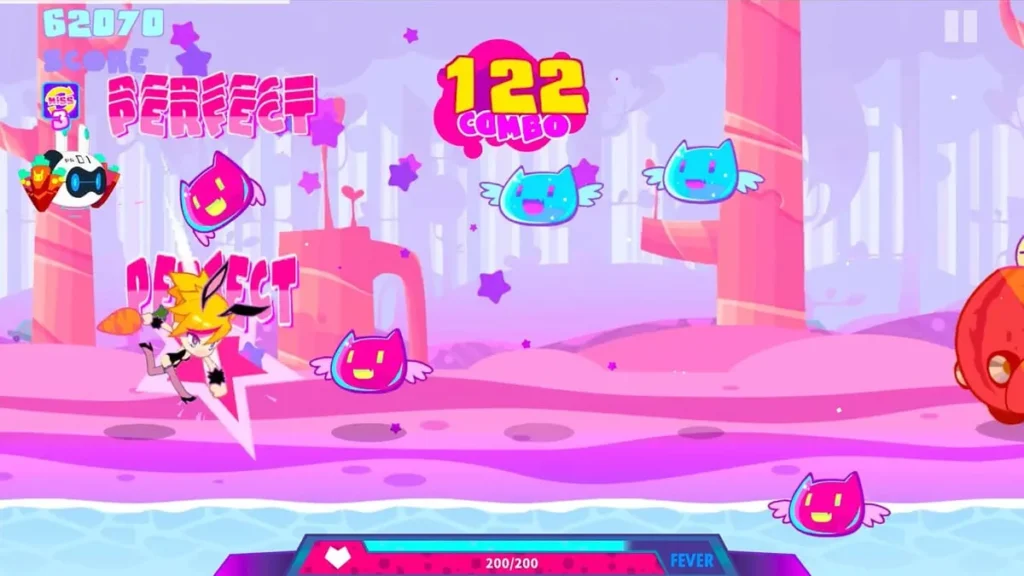
The Muse Dash characters you choose also play into this active feel. While they all control the same way, their animations and little vocal quips (especially with certain outfits) add a layer of personality that makes your run feel unique. Seeing your chosen muse dash, leap, and strike in time with a hyper-pop track is a big part of the charm.
Pro Tip: Early on, focus less on your eyes and more on your ears. The visual cues are important, but training yourself to anticipate notes based on the song’s rhythm is the first step to mastering how to play Muse Dash at a high level. 🎧
Why Do Players Keep Coming Back for More?
You’d think a game with such a straightforward loop might get old. Yet, here I am, hundreds of songs later, still chasing that elusive “S” rank. The longevity comes from a masterful cocktail of addictive systems.
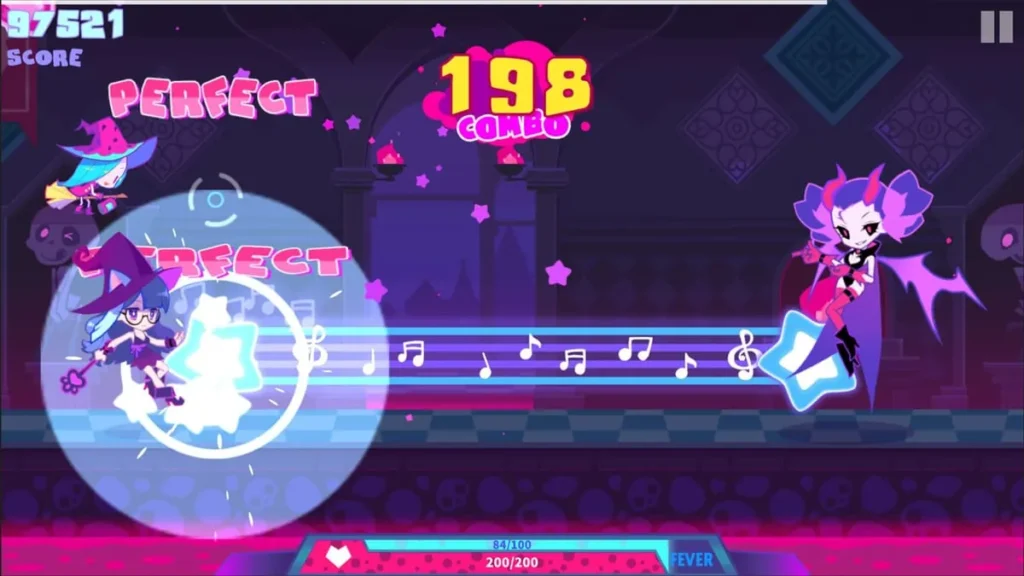
First, there’s the sheer variety. The base game and its massive DLC libraries offer hundreds of songs spanning J-pop, hardcore techno, classical remixes, and everything in between. Every track is a new challenge with its own note patterns and personality. Second, and most importantly, is the scoring and combo system. The drive to see that “FULL COMBO” message or to finally crack the top 100 on your favorite song’s leaderboard is powerful. Building and maintaining Muse Dash combos isn’t just about hitting every note; it’s about hitting them with accuracy (scoring “Perfect” over “Great”) and leveraging your character’s special skills. This deepens the rhythm game mechanics immensely, offering a skill ceiling that’s incredibly high.
It’s also a fantastically accessible game. You can enjoy it casually, bobbing your head to the tunes. Or, you can go hardcore, tweaking settings, practicing specific tricky sections, and optimizing your path for maximum score. This broad appeal is a huge part of its success. And yes, the game is rated Teen for reasons including suggestive themes in some lyrics and character outfits—a topic we’ll touch on next—but it never interferes with the tight, focused Muse Dash gameplay at its heart.
Here are my top 5 tips for beginners looking to improve their scores and truly get into the groove:
- Start Slow, Then Go Fast: Don’t ego-play on Hard difficulty immediately. Master a song on Easy or Normal to learn its structure. Speed comes with familiarity.
- Embrace the Fever: Your character has a “Fever” mode that doubles points. It activates after building a combo. Time hitting a major note cluster just after Fever activates for massive score boosts! This is key for high Muse Dash combos.
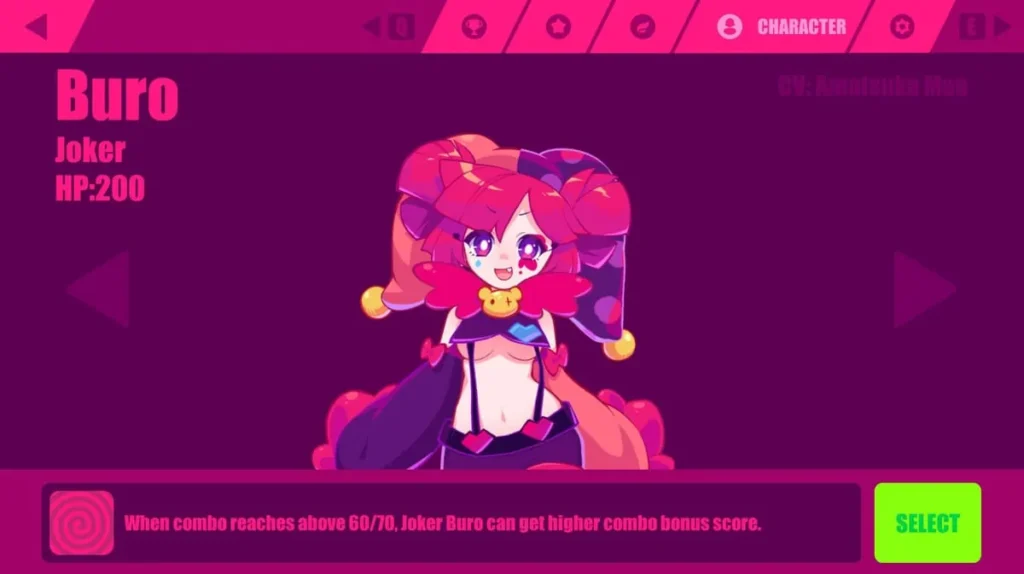
- Character Choice Matters: Each muse and their “Elf” partner have different scoring abilities. Buro, for example, makes building Fever easier, while Marija increases your score multiplier. Experiment to find who fits your playstyle.
- Listen for the “Perfect”: The sound cue for a “Perfect” hit is distinct and satisfying. Try to sync your actions to that sound rather than just the visual hit. This fine-tunes your internal rhythm.
- Practice Mode is Your Friend: Stuck on a brutal section? Use practice mode to slow the song down and loop the tricky part. This is the fastest way to overcome plateaus in your Muse Dash gameplay.
Exploring Character Designs and Outfits
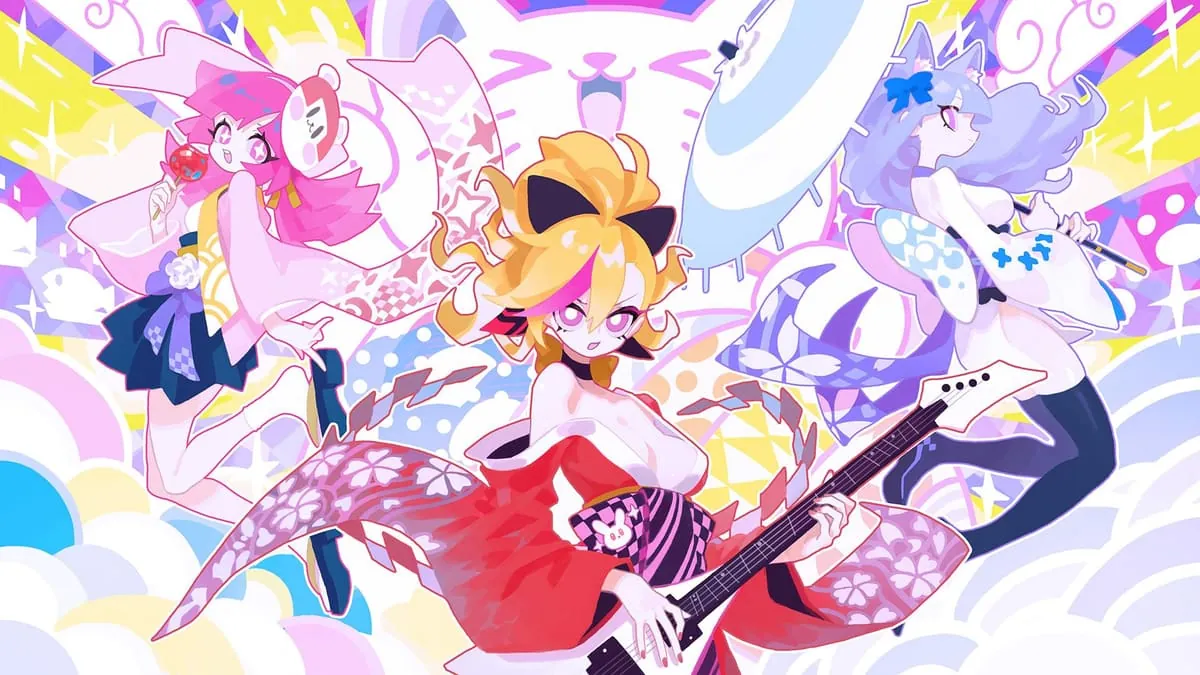
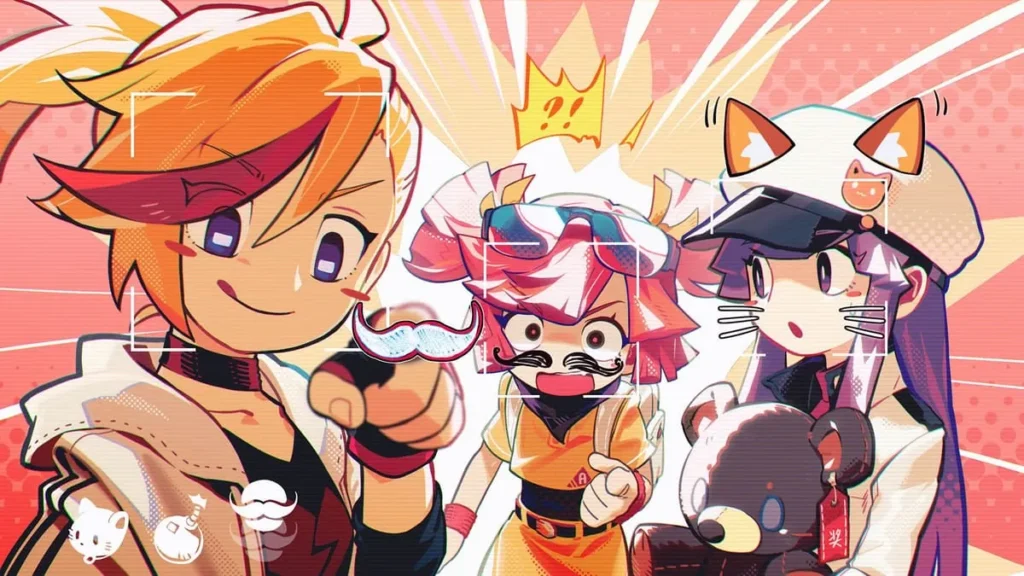
The Muse Dash characters are a huge part of the game’s identity and appeal. During gameplay, they’re presented in an adorable, super-deformed chibi style. This art style is a clever design choice—it keeps the screen readable during fast-paced action and adds a layer of universal charm. You’re focused on the notes, not on detailed character models. It effectively desexualizes the core Muse Dash gameplay, keeping your attention on the rhythm.
However, the game’s playful and sometimes mature side comes alive in the character selection screen, illustrations, and especially the outfit system. Unlocking new costumes for your favorite Muse Dash characters is a major driver for many players. These outfits aren’t just palette swaps; they often completely change the character’s look, theme, and, most notably, their voice lines. 🎤
Switching from Rin’s default outfit to her “Dreaming Girl” pajamas, for instance, changes her energetic battle cries to sleepy, mumbled phrases. It’s a delightful layer of customization that makes your personal experience feel unique. While some outfits lean into fan service with more revealing designs, they remain stylized and fit within the game’s overall playful, anime-inspired aesthetic. This allows players to engage with that aspect as much or as little as they want, without it impacting the precision of the endless runner rhythm action.
For me, part of the fun is matching a character’s outfit and vibe to the song I’m playing. Blasting a heavy metal track with a goth-themed Marija just feels right. This deep customization connects you to your avatar, making those high-score victories even sweeter.
My personal “aha!” moment came after weeks of playing. I was struggling with a particularly chaotic track called “Brain Power.” I kept failing, my Muse Dash combos breaking at the same furious drum solo. I took a break, came back, and decided to just feel the music instead of frantically reading the notes. That run, everything clicked. My fingers moved on instinct, I entered Fever at the perfect moment, and I slid under the final obstacle as the song climaxed. I didn’t just clear it; I nearly perfected it, setting a personal best that had me jumping out of my chair. That feeling—the perfect synergy between player, character, and song—is the pure, addictive magic of Muse Dash.
To help you navigate the different ways to experience this rhythm sensation, here’s a breakdown of the core game modes:
| Mode | Description | Difficulty | Unlock Requirements |
|---|---|---|---|
| Classic | The standard **Muse Dash gameplay** experience. Run through a full song, defeat the boss at the end, and try to achieve the highest score and rank. | Scales with chosen song level (1-11) | Available from the start |
| Master | A brutal test of skill. Features remixed, far more complex note charts for songs. Essential for leaderboard climbers seeking the ultimate challenge in **rhythm game mechanics**. | Very High (Song level +) | Unlock by achieving an “S” rank on the Hard difficulty of a song |
| Breakout | A unique, point-focused mode. Your goal is to break point thresholds by hitting notes, not just survive. Misses don’t cause failure, but ruin your score. Great for practicing **Muse Dash combos** under pressure. | Varies | Available from the start |
There you have it—Muse Dash nails that perfect mix of pulse-pounding rhythms, charming muses, and optional adult flair that elevates the fun for grown-up players. From my endless sessions chasing perfect runs to unlocking those steamy DLC moments, it’s a game that sticks with you. Whether you’re syncing beats for the first time or diving into mature packs, grab your controller and let the music guide you. What’s your favorite track? Drop a comment below and share your high score stories—let’s keep the dash alive!