Play My New Memories
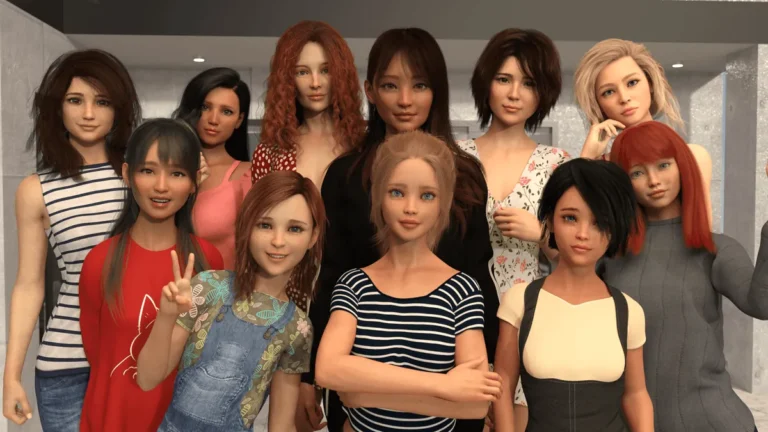
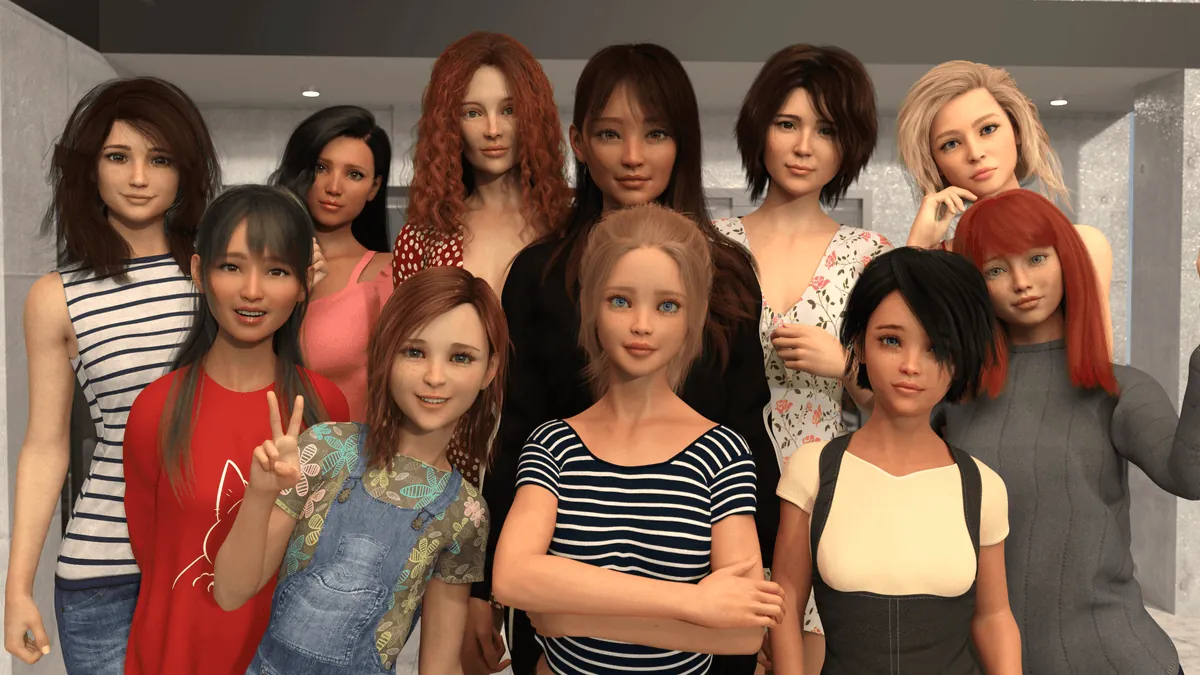
My New Memories Screenshots



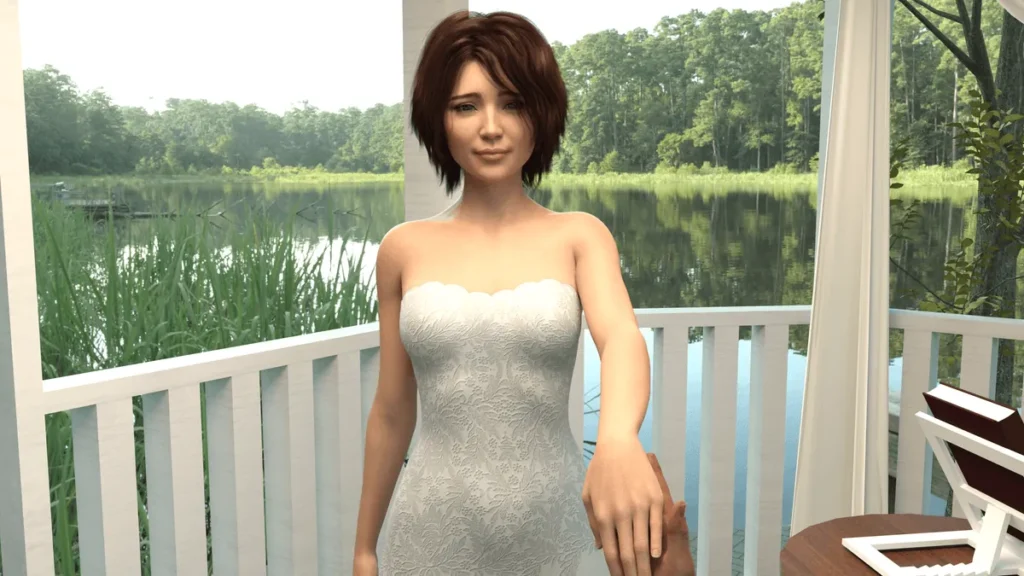
My New Memories review
A Complete Guide to the Story-Rich Visual Novel Experience
My New Memories is a narrative-driven visual novel that captivates players through immersive storytelling and meaningful character interactions. The game follows a male protagonist who awakens in a hospital with no memory of a devastating car accident that also left his wife in a coma. What sets this experience apart is how your decisions shape the entire narrative arc, influencing character relationships and story outcomes. Whether you’re drawn to emotional depth, character development, or the branching storyline mechanics, My New Memories delivers a compelling journey where every choice matters. This guide explores the game’s core features, character dynamics, and what makes it a standout title in the visual novel genre.
Understanding the My New Memories Premise and Setting
Picture this: you wake up. The world is a blur of sterile white and the persistent, low hum of medical equipment. Your head throbs with a dull, empty pain, but it’s not the physical kind that’s most alarming. It’s the profound, gut-wrenching void where your life used to be. You don’t know your name. You don’t know how you got here. And the kind-faced woman crying by your bedside? She’s a stranger. This is the powerful, immediate hook of My New Memories, a game that doesn’t just tell you a story—it makes you live inside its most fragile, heartbreaking moment. 😔
At its core, the My New Memories game premise is an masterclass in emotional stakes. It’s not a fantastical amnesia trope; it’s a grounded, human tragedy that asks a terrifying question: if you lost every memory of love, family, and self, what would you have left to rebuild from? This isn’t just a setup; it’s the entire foundation for a story-rich visual novel experience that prioritizes emotional truth over cheap twists.
Let’s dive into the world that awaits you, starting with the moment everything shattered.
The Car Accident and Memory Loss Narrative
The inciting incident of My New Memories is as sudden and brutal as it is in real life. A car accident—a moment of ordinary life violently interrupted. You, the player, don’t experience the crash itself. Instead, you are born from its aftermath. You open your eyes into the confusion of a hospital room, a protagonist pieced together from medical charts and the anxious faces of visitors. This is the brilliant entry point for the visual novel amnesia storyline.
The genius of this approach is in its perspective. By starting after the trauma, the game instantly aligns you with the protagonist’s reality. There are no flashbacks to a “before” time that you, as the player, know but your character doesn’t. Your ignorance is his ignorance. Every piece of information is discovered in real-time, creating an unparalleled sense of vulnerability. You’re not recalling memories; you’re being told who you were, and you have to decide whether to believe it.
The true mystery isn’t “whodunit,” but “who was I?” This reframes every interaction, every recovered photograph, every hesitant hug from a family member, as a potential clue to your own identity.
But the narrative twist that truly elevates this memory loss narrative game is the fate of your wife, Elara. While you physically survived, she lies in a coma in another room down the hall. The emotional weight of this revelation is staggering. Here is the person who supposedly knew you best, the architect of countless shared memories you’ve lost, and she is utterly unreachable. 🏥 Her silence becomes the loudest presence in the story. This setup does two things beautifully: it provides a constant, aching motivation (the need to remember her, specifically), and it creates a profound narrative tension. The person who holds the keys to your past is just out of reach.
And then, the dreams begin. Elara appears not at the hospital bedside, but in haunting, beautiful dream sequences. These are not mere fantasies; they are fragmented echoes of your shared past. A picnic by a lake, a whispered argument in the rain, a quiet moment of comfort on the couch. These visions are the game’s primary method of emotional storytelling in games. They bypass the clinical facts offered by doctors and family and instead deliver raw feeling. You may not remember the context, but you feel the love, the tension, the joy. It’s through these dreams that you, the player, begin to feel the relationship long before you fully understand it.
For example, early on, you might have a dream of Elara handing you a cup of coffee with a specific, playful smirk. Later, your adopted daughter might mention, offhand, “Mom always teased you about burning the coffee that one time.” Suddenly, that dream fragment snaps into place with a new, poignant meaning. It’s a brilliant way to show how memory is rebuilt not as a linear timeline, but as a collage of sensations and facts that slowly coalesce into meaning.
Your Role as the Protagonist
So, who are you in this world? In My New Memories, you step into the shoes of Leo (a name you’ll have to relearn to answer to). But calling Leo a blank slate would be a disservice. He is a man defined by absence, and your role is to navigate that void with a mixture of caution, curiosity, and growing desperation. This is the heart of the My New Memories protagonist journey.
You are not a hero on a quest to save the world. You are a husband, a father, a son, trying to save the idea of yourself. Your primary tools are observation and choice. Every dialogue is a minefield. Do you pretend to recognize an old friend to avoid hurting their feelings? Do you admit your helplessness to your anxious children? The game presents these choices not as “good or evil” but as human dilemmas of self-preservation versus honesty. 🧩
The character-driven narrative game mechanics shine here. Your interactions directly shape how your relationships reform. A family member might offer you a cherished family heirloom. You can accept it graciously, reject it because it means nothing to you, or examine it with a confused curiosity. Each response sends a ripple through the family dynamic, affecting future conversations and the subtle, unspoken trust they place in you.
Your journey is one of dual discovery. First, there’s the external investigation: looking through photo albums, visiting old haunts, listening to stories. Then, there’s the internal, intuitive process: paying attention to which stories feel true, which photos stir a faint echo of emotion, which paths in your old neighborhood feel familiar under your feet. The game brilliantly makes you question everything. Is that a genuine, resurfacing memory, or are you just constructing a new one based on what you’ve been told?
This is where the gameplay becomes profoundly personal. The story-rich visual novel experience is crafted to make you, the player, share in Leo’s disorientation and his slow, painful glimmers of clarity. When a memory finally clicks—not just as information, but as a reclaimed piece of your soul—it’s a victory you feel deeply.
| Phase of the Journey | Player’s Primary Role | Key Emotional Challenge |
|---|---|---|
| Awakening & Confusion | Observer & Questioner | Managing the fear of the unknown and the pressure from hopeful loved ones. |
| Initial Reintegration | Active Investigator | Balancing polite acceptance with the need for authentic understanding. |
| Deep Memory Work | Intuitive Interpreter | Distinguishing between learned facts and genuine emotional recall, often dealing with painful rediscoveries. |
| Reconciliation & Forward Path | Active Re-builder | Deciding what kind of husband, father, and man to become with this new, fractured perspective on your past. |
Family Dynamics and Supporting Characters
A man is not an island, especially not a man with no past. Leo’s void is filled, sometimes uncomfortably, by the people who claim to love him. The family in My New Memories is not a perfectly harmonious unit; they are a group of individuals deeply wounded by the accident, each grieving both the mother in a coma and the father who has returned as a ghost of himself. 👨👩👧👦
This is where the game’s writing truly excels as a character-driven narrative game. Each family member serves as a unique mirror, reflecting a different facet of the man you forgot.
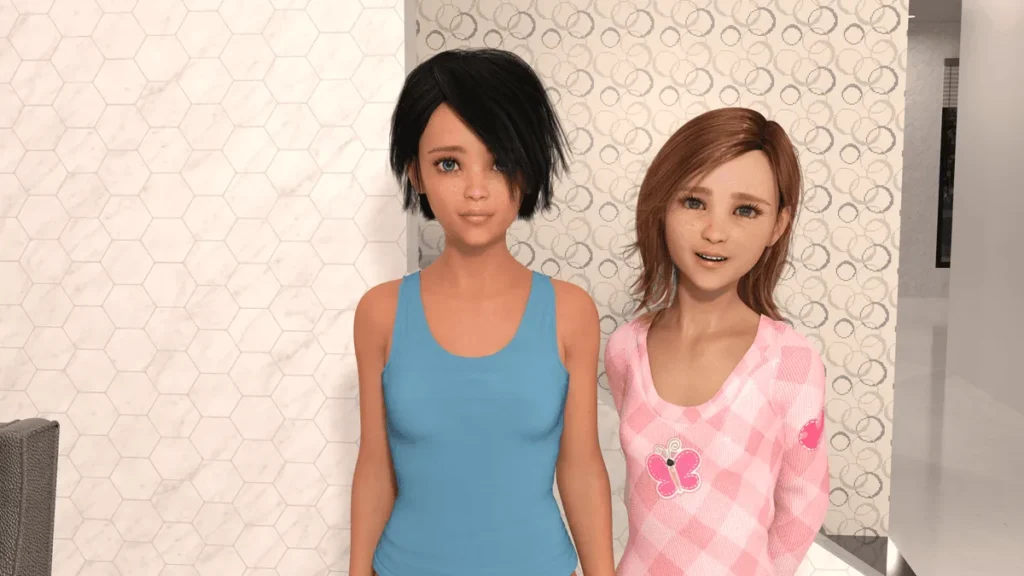
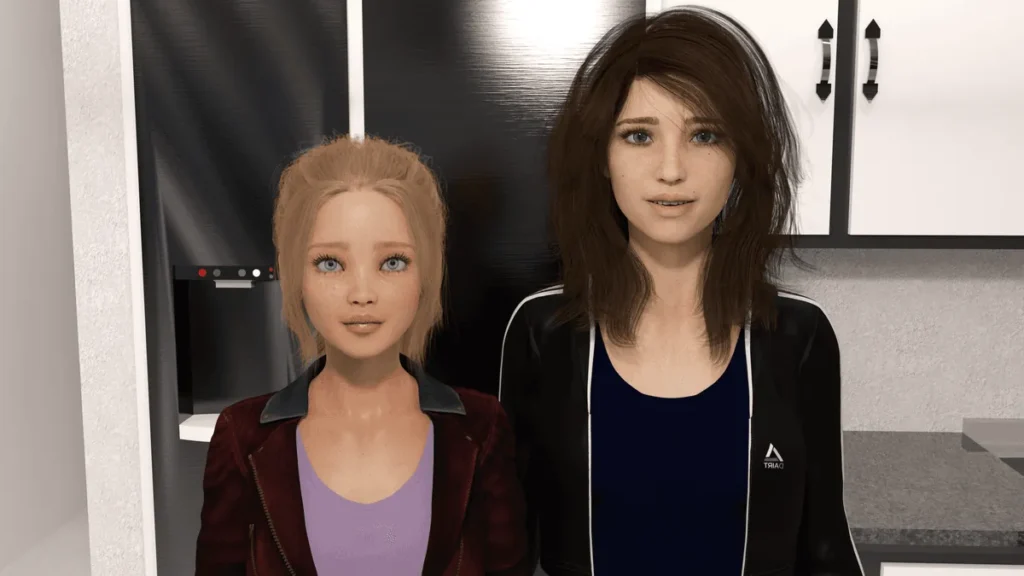
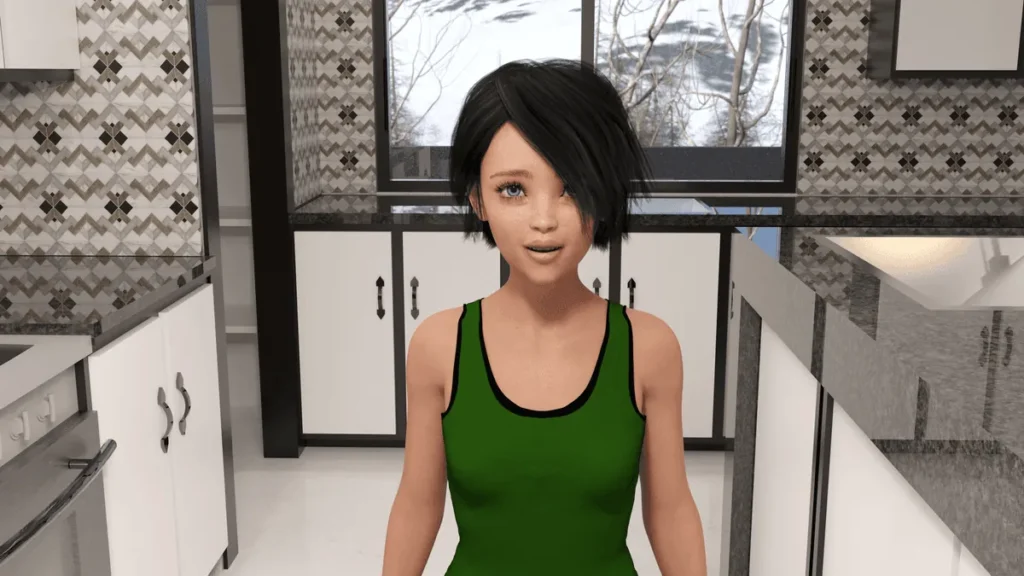
- Maya & Chloe, the Adopted Daughters: Perhaps the most complex relationships to navigate. Maya, the teenager, is all sharp edges and protective anger. She remembers the father who raised her and struggles to connect with the polite stranger in his place. Chloe, younger, is more open but confused, often seeking comfort from a father who doesn’t know how to give it in the ways she remembers. Through them, you discover not just that you were a father, but what kind of father you were—your promises, your shortcomings, your unique bond with each girl.
- Elena, the Mother-in-Law: She is the keeper of the family archive, the source of countless stories and photos. Her role is often to provide the factual scaffolding of your life. Yet, her help is tinged with her own grief for her daughter and a subtle, understandable resentment toward the man who was driving the car.
- David, the Best Friend: He represents the life outside the family—the career, the hobbies, the casual camaraderie. Conversations with him can feel both relieving (no fraught family history here) and alienating (his jokes about “that one time” land in a void).
The setting evolves perfectly in tandem with these dynamics. The story begins in the confined, clinical space of the hospital, where you are a patient defined by your injuries. Then, you transition to the charged environment of your own home. This should be a place of comfort, but it’s now a museum of a life you don’t remember. Every room, every book on the shelf, every note on the fridge is a puzzle piece. 🏡 The act of simply walking through your own house becomes a core part of the gameplay and the My New Memories protagonist journey.
The tension doesn’t just come from “what did I forget?” but from “what shouldn’t I remember?” The narrative cleverly plants seeds of doubt. Why does a certain song on the radio make your chest tighten with anxiety, not nostalgia? Why does one particular photo of you and Elara seem… off? The family, while trying to help, may also be collectively hiding a painful truth to protect you, or protect themselves. This layers the memory loss narrative game with a subtle, psychological mystery that goes beyond the accident itself.
The My New Memories game premise uses its amnesia not as a simple reset button, but as a magnifying glass. It amplifies the nuances of family love, which is often a tangled mix of unconditional support, old resentments, private jokes, and unspoken understandings. By forgetting all of that social language, you are forced to learn it all from scratch, often seeing the truths that were buried beneath the routine of daily life.
In the end, My New Memories is more than its premise. It’s an invitation to experience a profound form of emotional storytelling in games. It asks you to find meaning not in epic battles, but in the quiet agony of a forgotten anniversary and the trembling hope in a daughter’s eyes. It’s a journey through the wreckage of a life, where every recovered memory is a treasure, and every loving gesture from a stranger who calls you family is a step toward building something new from the pieces of the old. Your new memories, and the story of how you earned them, await.
My New Memories stands out as a compelling visual novel that prioritizes emotional storytelling and meaningful player agency. The game’s amnesia-driven narrative creates a unique framework for character development and relationship building, where your choices genuinely shape the story’s direction and outcomes. With high-quality character models, organic character reactions, and branching paths that reward multiple playthroughs, the game delivers an experience that resonates with players seeking depth beyond surface-level gameplay. The balance between intimate moments and wholesome family dynamics, combined with the absence of punitive game over states, creates an accessible yet emotionally engaging experience. Whether you’re drawn to narrative-driven games, character-focused storytelling, or interactive fiction that respects player choice, My New Memories offers a memorable journey worth experiencing. Start your playthrough today and discover how your decisions create a uniquely personal story.