
Rightful Ownership
Play Rightful Ownership
Rightful Ownership Screenshots


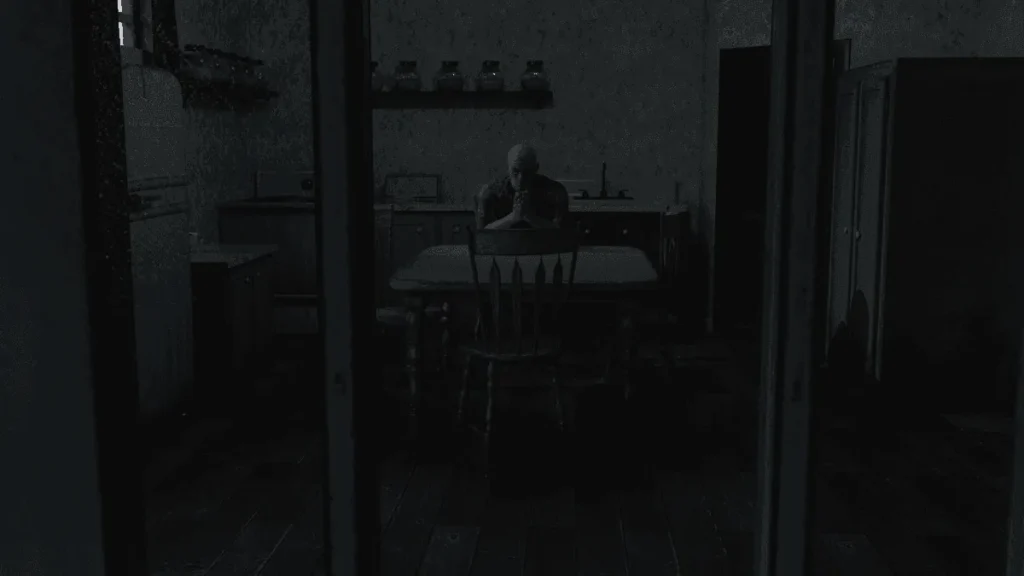









Rightful Ownership review
A player-focused guide to mechanics, story, and player choices in Rightful Ownership
Rightful Ownership is an independent adult-oriented game that blends interactive storytelling with player choice and relationship systems to deliver a provocative single-player experience. In this article I walk you through the game’s premise, core systems, and practical tips I learned while playing, with clear examples and advice to help you make meaningful choices and get the outcomes you want. Whether you’re evaluating the game for the first time or trying to extract specific endings, this piece focuses on the game itself: mechanics, narrative, pacing, and community considerations.
Game Overview: Premise, Genre, and Themes
Let’s be honest, jumping into a new game can feel like stepping into a dark room. You fumble for a light switch, hoping you don’t trip over the furniture. 🤔 My first click into Rightful Ownership was exactly that—a plunge into the unknown. But within minutes, that uncertainty transformed into a gripping, “just-one-more-choice” obsession. This guide is here to turn on all the lights for you, giving you a clear map of the narrative territory, the moral compass you’ll need, and why this adult interactive game Rightful Ownership is generating such buzz.
We’re going to break down the core of the experience: its identity, its heart, and the ideas that will challenge you. Consider this your spoiler-free briefing before you take command.
What is Rightful Ownership? — Story and setting
The Rightful Ownership premise is deceptively simple on the surface, yet rich with complex tension. You are thrust into the polished leather shoes of a character who has just inherited a sprawling, lucrative estate from a distant, and somewhat mysterious, relative. This isn’t just a country house; it’s a modern empire with businesses, staff, and deep-rooted secrets. The “rightful” in the title is your first clue that nothing is as straightforward as a legal document. 🏰
The core Rightful Ownership story begins not with a celebration, but with a confrontation. You arrive to claim your new domain, only to find it already inhabited and managed by people who have built their lives there. The most prominent is your new head of household, a formidable and fiercely competent individual who has been the de facto steward for years. They see you not as a savior or boss, but as an interloper—a privileged beneficiary threatening the delicate ecosystem they’ve maintained.
The genius of the opening isn’t in the wealth you gain, but in the instant, palpable resentment you inherit.
This immediate conflict is the engine of the entire Rightful Ownership game overview. The narrative stakes are intensely personal and professional. Can you secure your legal claim while navigating the human cost? Will you be a bulldozer or a diplomat? A benevolent ruler or a demanding sovereign? The setting shifts from cold corporate offices and tense boardrooms to the intimate, opulent spaces of the estate itself, each location a new arena for your power struggles and potential alliances.
Genre, tone, and target audience
So, what exactly are you playing? Rightful Ownership fits squarely into the realm of adult interactive game narratives, specifically a choice-driven visual experience. Think of it as a novel where you control the protagonist’s decisions, with those choices tangibly altering relationships, story paths, and outcomes. This isn’t a game about quick reflexes; it’s about social strategy and emotional intelligence. 🎭
The tone is a masterful blend of sophisticated drama and charged, intimate tension. It treats its adult themes with a serious, nuanced hand. One moment you’re in a high-stakes business negotiation, the next you’re in a quiet library conversation that crackles with unspoken history and potential attraction. The writing is sharp, avoiding melodrama for a more grounded, psychological feel. The characters feel like real people with flawed motives and layered defenses, not archetypes.
This game has a very clear target audience, and if you’re reading this, you’re likely in it. It’s for players who:
* Crave narrative weight and consequence in their choices.
* Enjoy unraveling complex character motivations and building (or breaking) relationships.
* Appreciate adult themes—power exchange, ethical ambiguity, and mature relationships—handled with intention, not just as garnish.
* Love the replayability of a branching story where saying “no” instead of “yes” opens a completely different narrative door.
If you’ve ever finished a story-based game and immediately started a new save to see “what if?,” you’re the perfect heir to this particular empire.
Key themes and narrative hooks
The Rightful Ownership themes aren’t just background ideas; they are the very fabric of every interaction and decision point. The game is less about managing resources and more about managing dynamics. Here’s what you’ll be grappling with:
- Power and Legitimacy: Where does true authority come from? A piece of paper, or earned respect? Your every action tests this.
- Consent and Negotiation: In both professional and personal spheres, how do you navigate advances and alliances? The game brilliantly ties narrative tension to player choice.
- Moral Ambiguity: There are rarely pure “good” or “evil” options. The “right” choice for your goals might be the ethically murky one.
- Uncovering the Past: The previous owner’s shadow looms large. Why did you really inherit this? What secrets are buried in the estate’s past?
My personal “aha!” moment came about forty minutes in. I’d been playing the polite, understanding new owner, trying to win over the resistant head of household. During a late-night encounter in the study, I chose a dialogue option that was subtly assertive—not aggressive, but firm in asserting my position. The character’s reaction wasn’t anger; it was a shift from disdain to a flicker of intrigued respect. 🫢 That’s when the Rightful Ownership story clicked for me. This wasn’t a battle to be won with brute force, but a delicate dance of wills. The “meaningful choice” wasn’t about picking a romance option; it was about defining my character’s core authority for the first time.
Here’s a quick look at what the narrative structure offers in terms of commitment and reward:
| Aspect | What to Expect |
|---|---|
| Pacing & Length | A complete narrative arc is substantial. Your first playthrough, if you soak in the story, can feel like reading a gripping novel. The game is structured in clear acts, giving a satisfying sense of progression. |
| Branching Paths | This is where the game shines. Early choices don’t just change a line of dialogue; they can lock or unlock entire story threads, character backstories, and relationship outcomes. |
| Replayability | Exceptionally high. To see the full scope of the **Rightful Ownership story**, you’ll need multiple playthroughs. Different approaches (commanding, diplomatic, cunning) reveal new dimensions to every character and situation. |
Ultimately, the Rightful Ownership game overview reveals an experience that trusts its players with complexity. It presents a world of gilt-edged privilege and profound interpersonal challenge, asking you not just what you want to own, but what kind of person you want to be in order to claim it. Your legacy starts with your first choice.
Rightful Ownership is a focused interactive title that rewards players who pay attention to choice architecture, relationship cues, and save management. The game’s strengths lie in its branching narrative, character-driven moments, and replayability through multiple routes; its weaknesses tend to be platform-specific glitches or limited accessibility features. Use the practical tips in this article—early-game strategies, saving frequently, and consulting community resources—to explore alternate endings responsibly. If you enjoyed the walkthroughs and case studies here, save this guide for your next playthrough and share your own findings with the community to help other players.