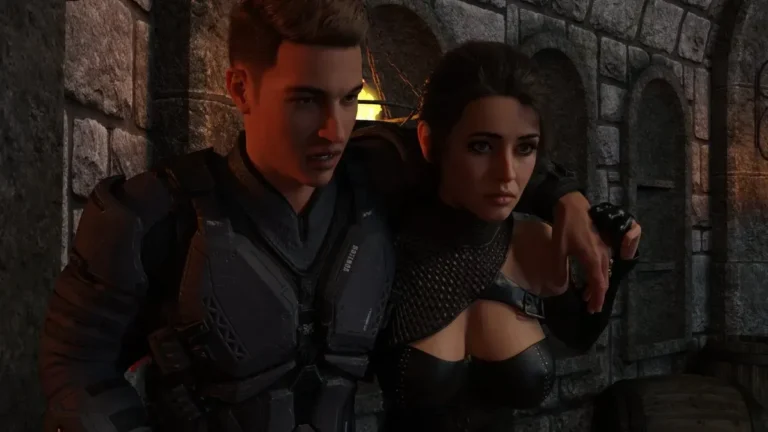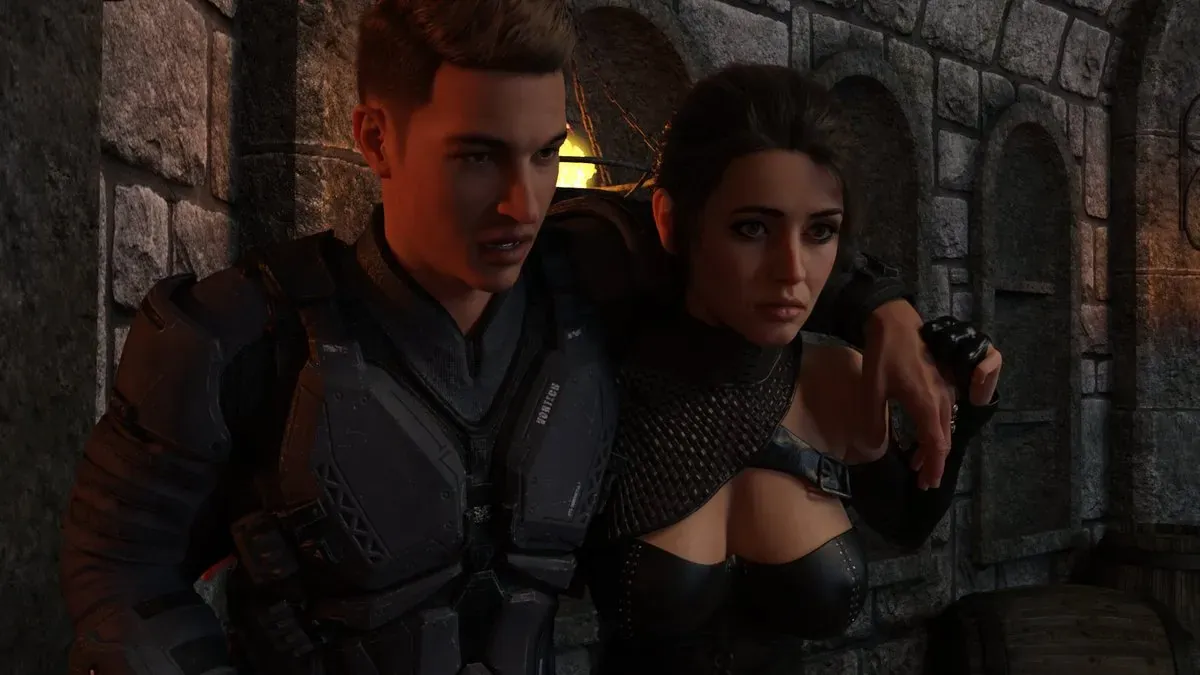
A Father’s Sins
Play A Father’s Sins
A Father’s Sins Screenshots
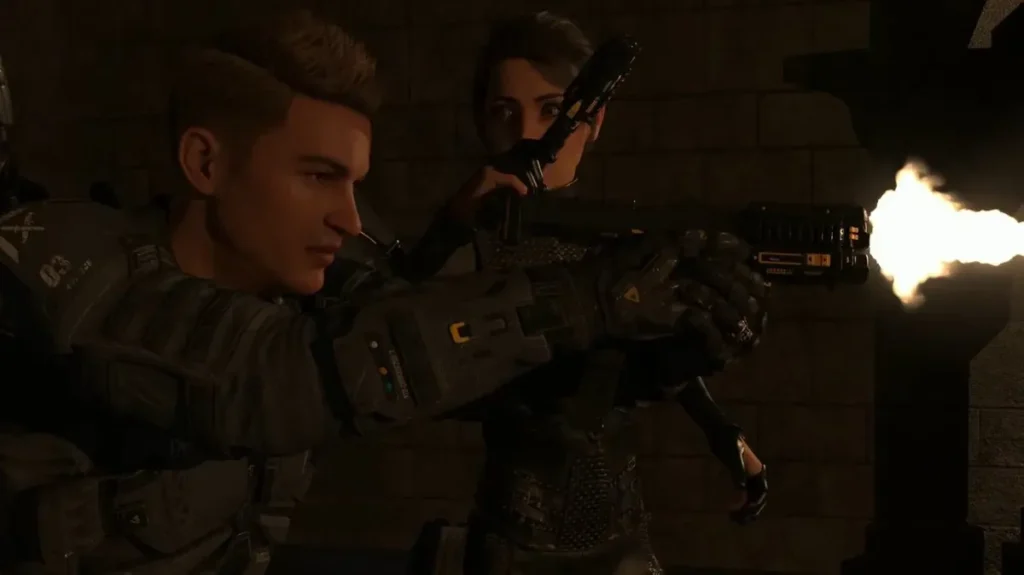
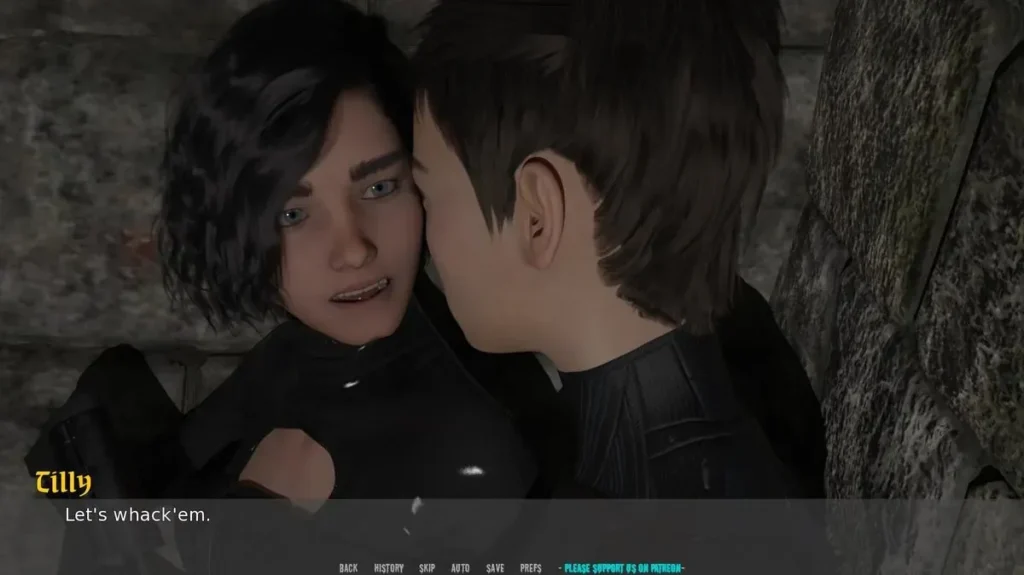
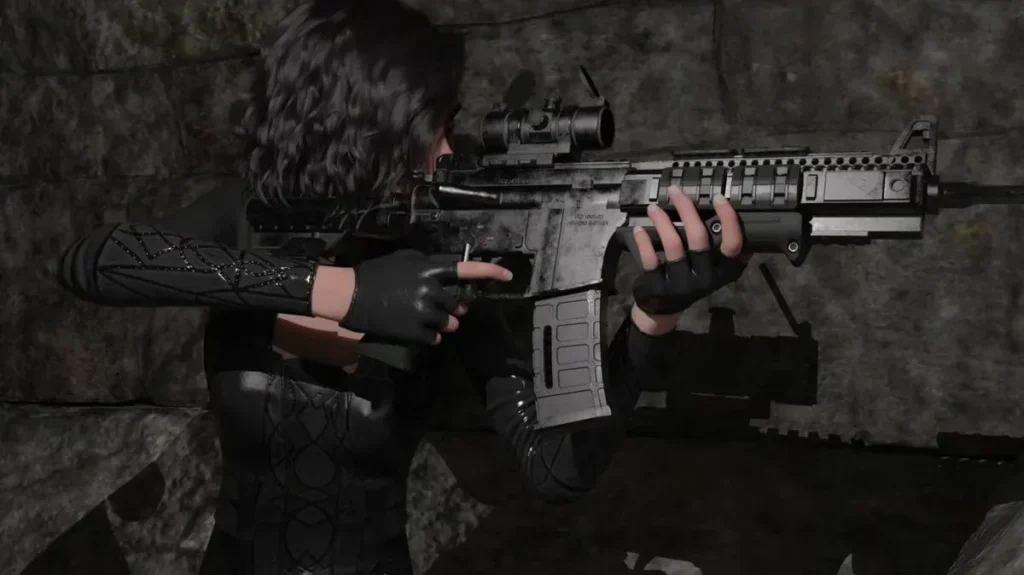
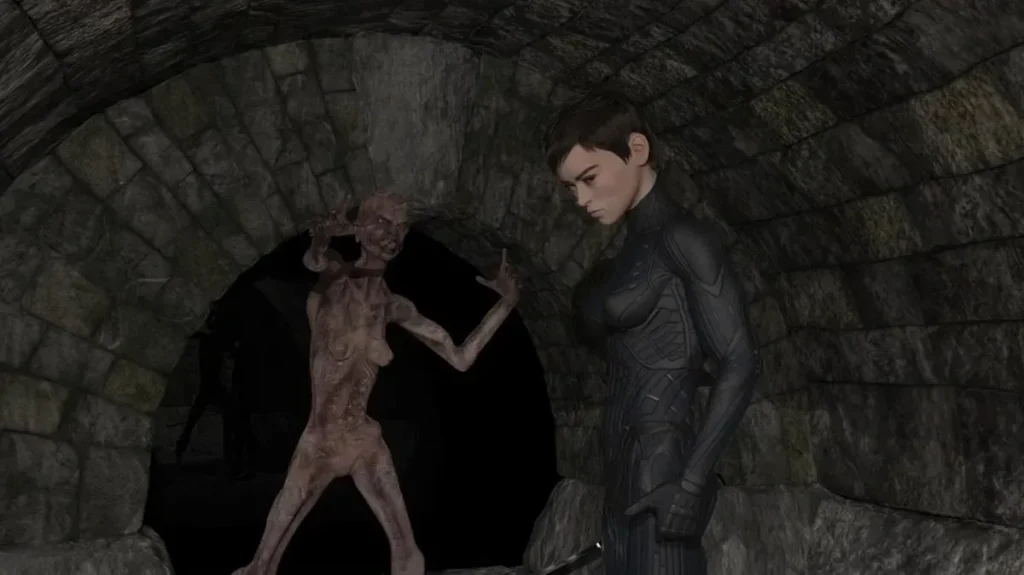
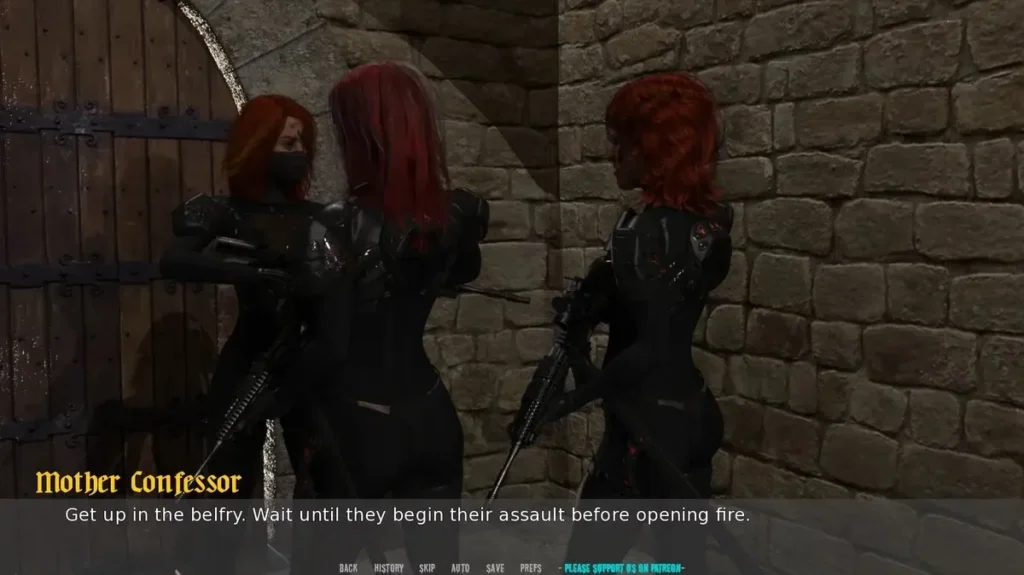
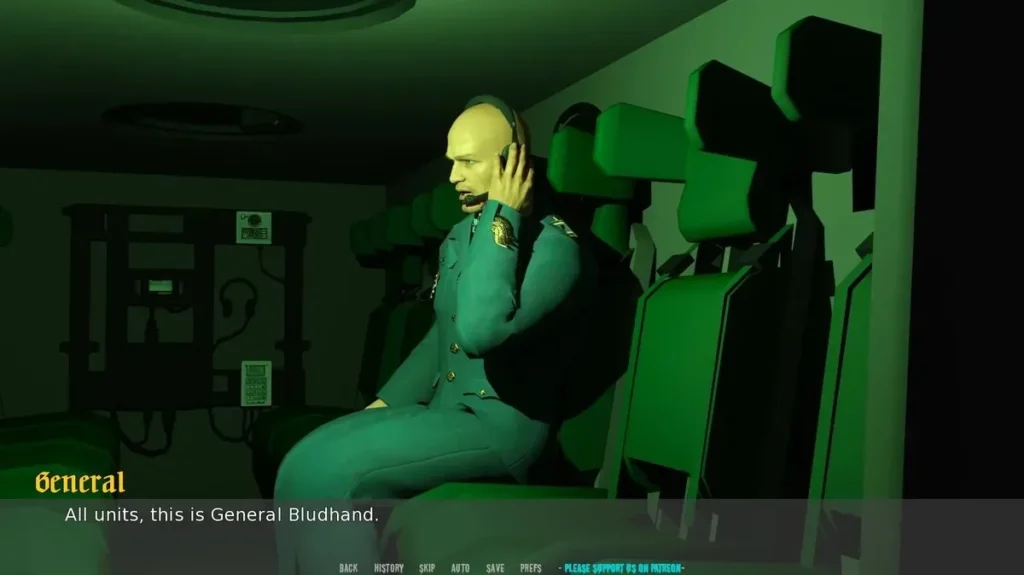
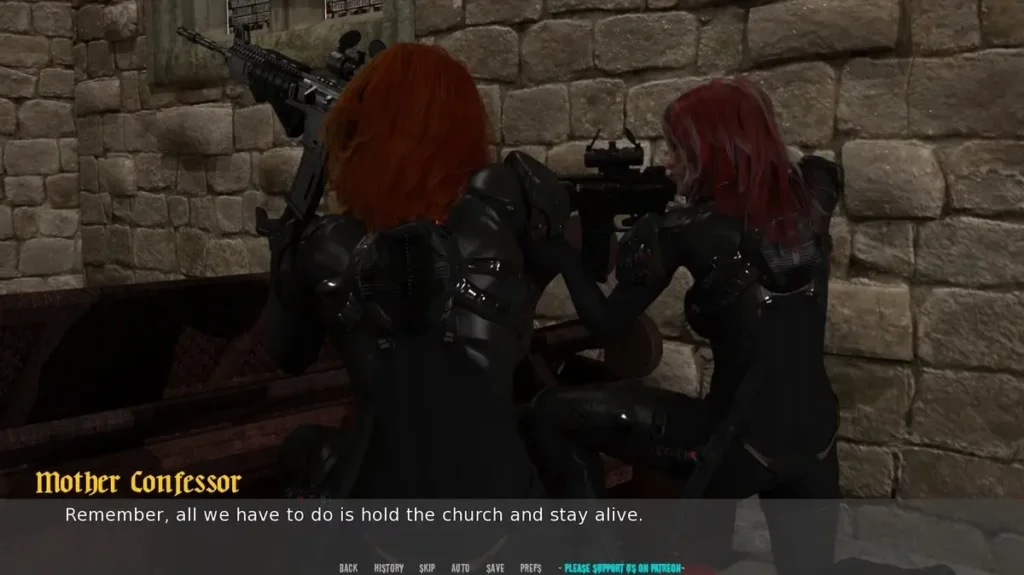
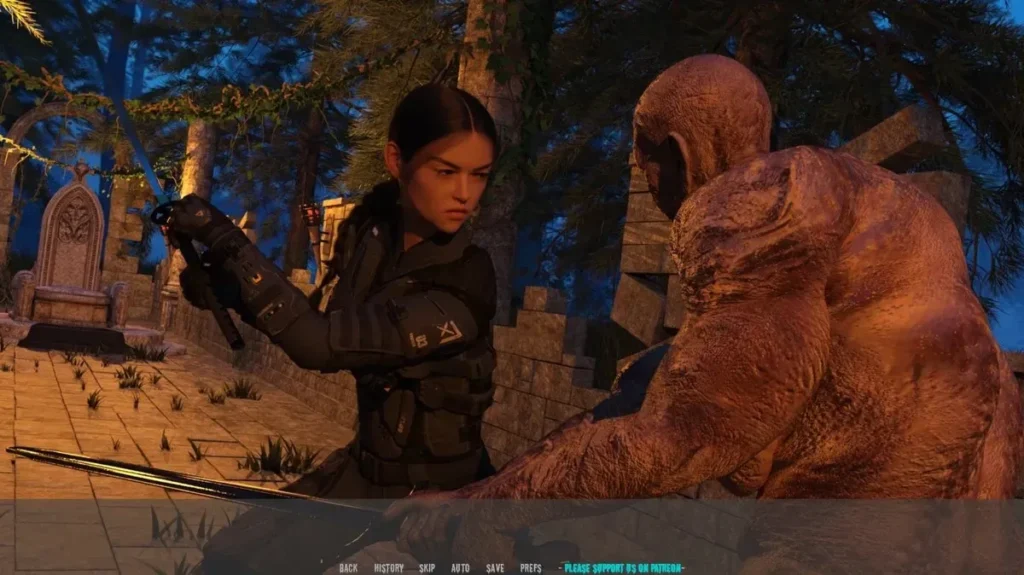
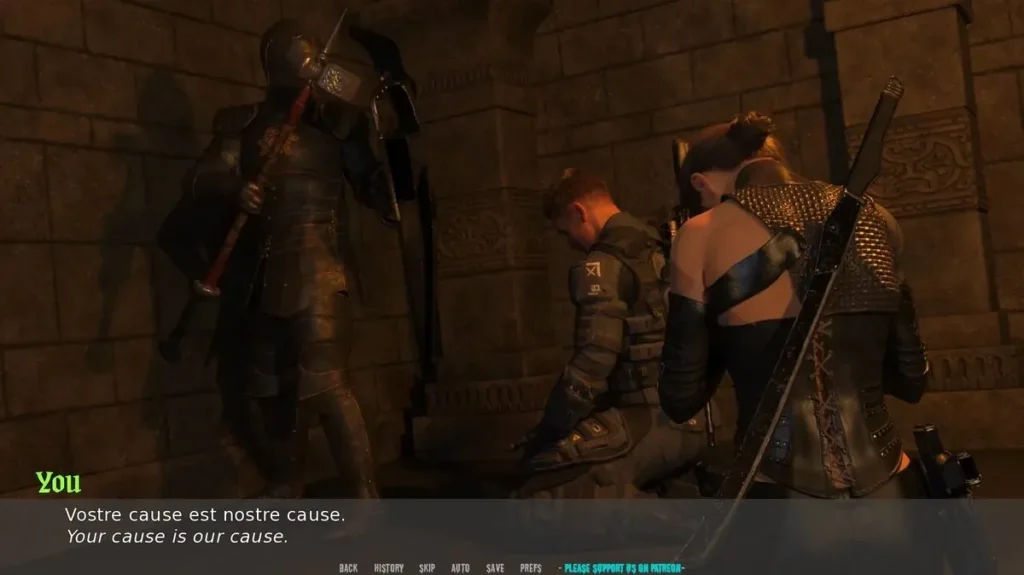
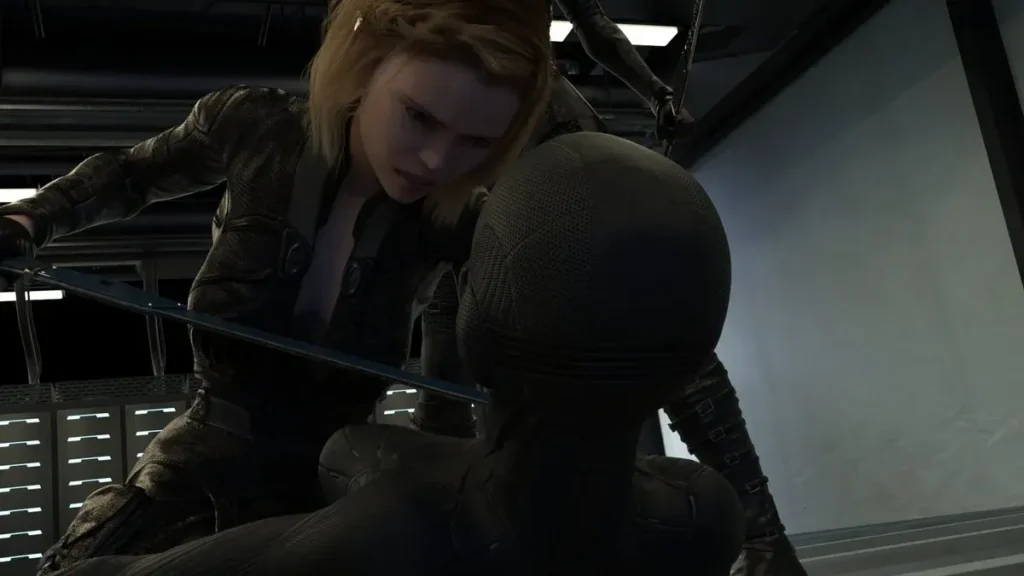
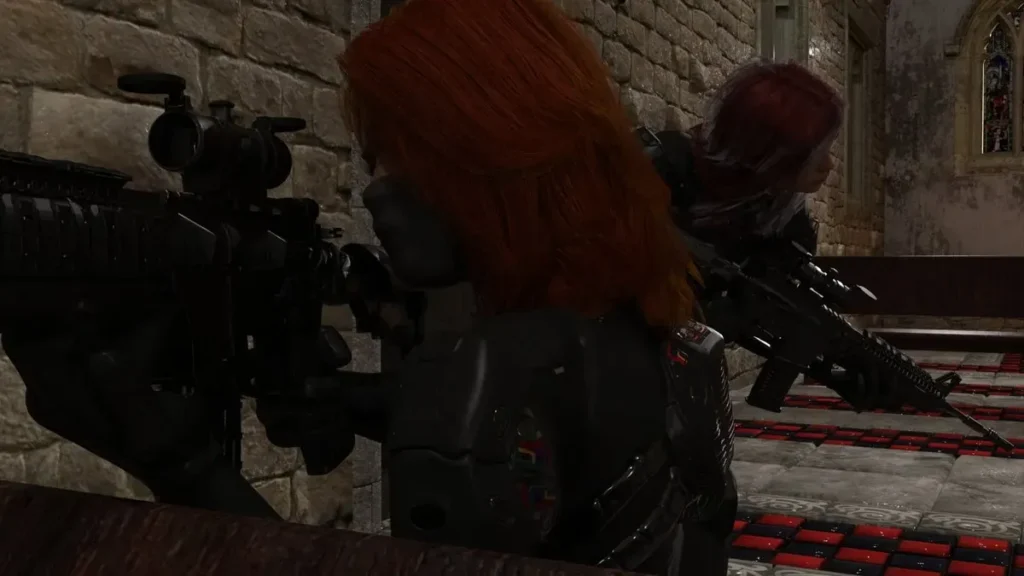
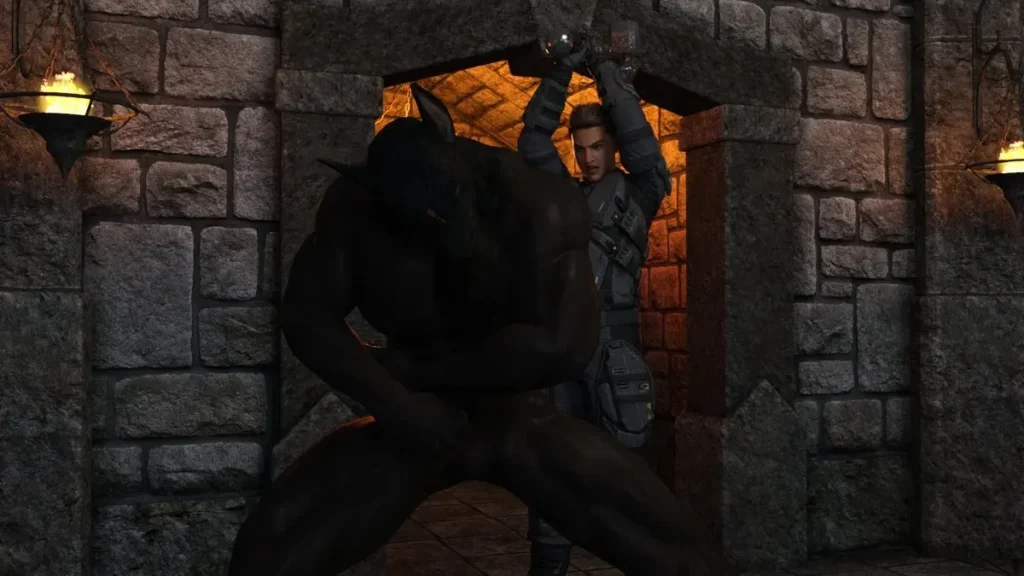
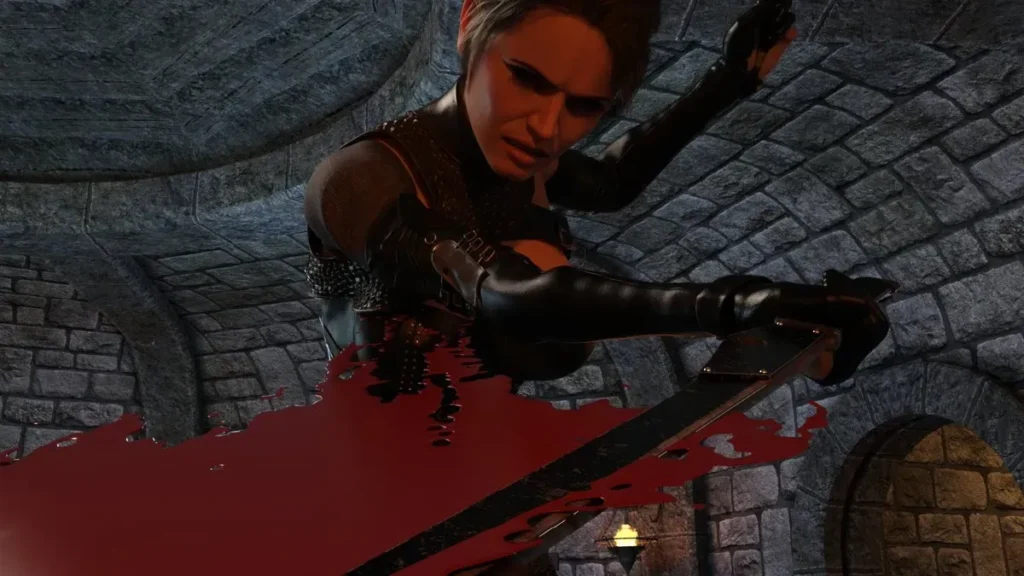
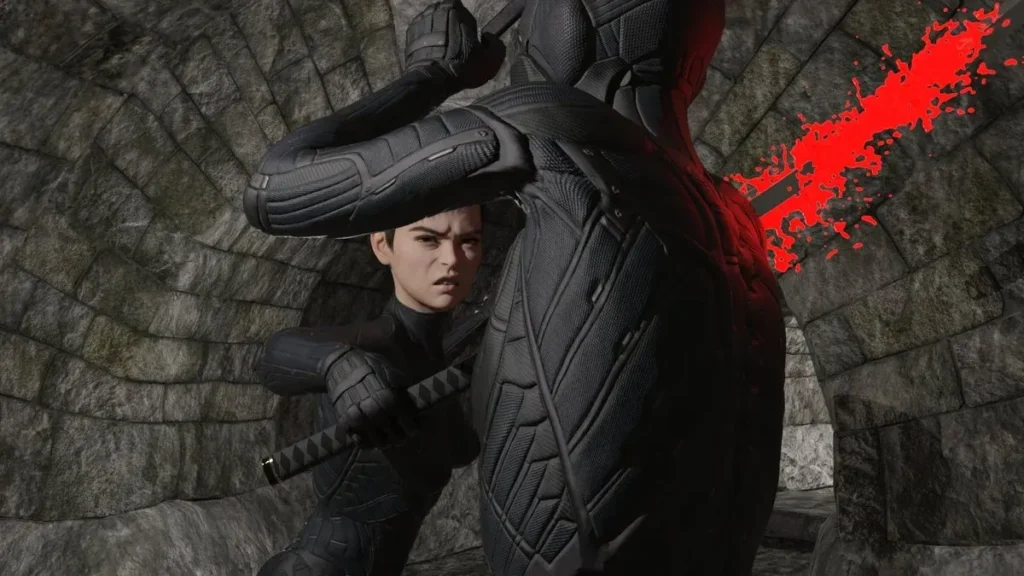
A Father’s Sins review
Explore the dark narrative, character development, and immersive storytelling of this mature visual novel experience
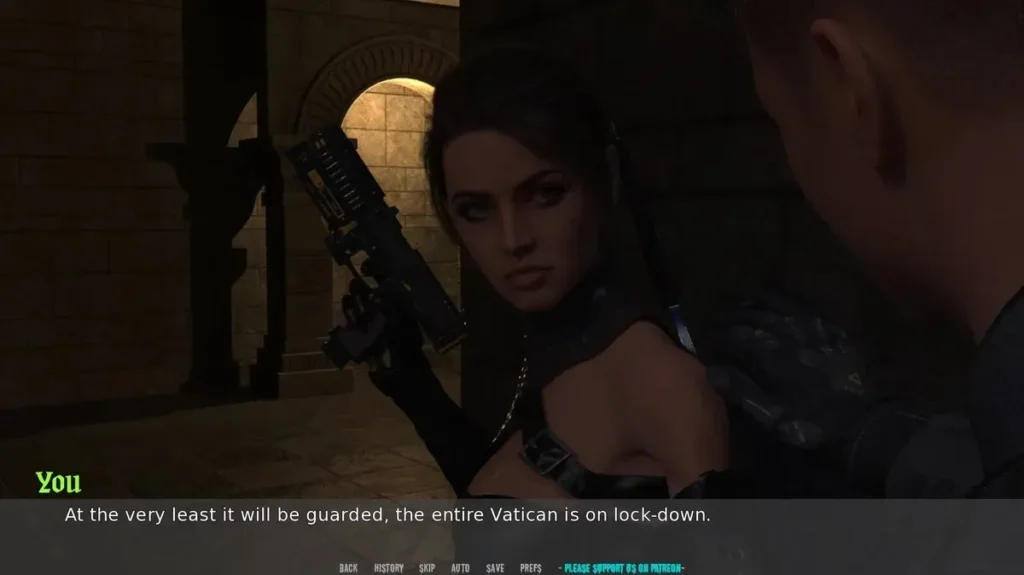
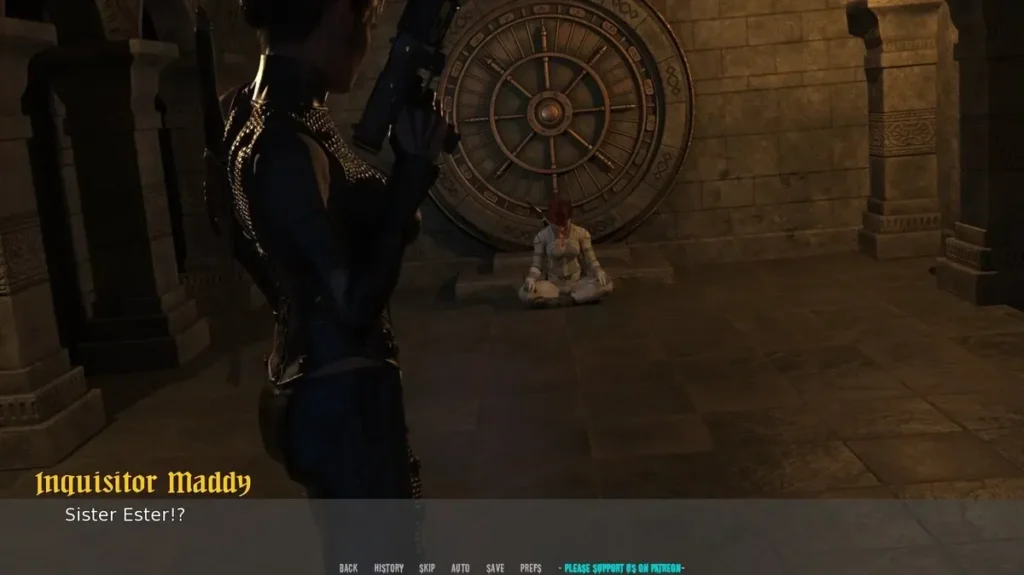
A Father’s Sins stands out as a narrative-driven visual novel that combines dark storytelling with mature themes and complex character development. This game immerses players in a supernatural thriller where an ancient evil awakens, a murder mystery unfolds, and a centuries-old church conspiracy crumbles. As an average protagonist thrust into extraordinary circumstances, you become a Holy Crusader fighting darkness alongside an ancient order of warrior nuns. With over 12 hours of gameplay, thousands of rendered scenes, and hundreds of animations, this title delivers a deep, rich narrative experience that transcends typical genre expectations. Whether you’re drawn to compelling storylines, character-driven narratives, or immersive world-building, understanding what makes this game unique can help you decide if it’s the right experience for you.
Story, Setting & Core Narrative Elements
Let’s be honest: most games with “mature” labels just use it as an excuse for shallow shock value. You’ve played them. A few edgy scenes, some gratuitous violence, and you’re left wondering if the story had any point at all. I was starting to believe the genre was lost… until I played A Father’s Sins. This isn’t just another adult game; it’s a masterclass in how to weave mature themes into a compelling, heart-pounding narrative where every choice carries real, emotional weight. 🎭
The magic—and the horror—of this experience lies entirely in its A Father’s Sins story. It proves that a visual novel narrative can be as rich, complex, and binge-worthy as any premium TV series. In fact, many players (myself included) have finished a chapter and thought, “This is better than half the shows on my watchlist.” It’s a supernatural thriller game that gets under your skin, not just with scares, but with a profound sense of dread, mystery, and consequence.
So, what makes this tale so gripping? Let’s pull back the curtain on the dark, mesmerizing world of A Father’s Sins and explore the narrative foundations that make it an unforgettable experience.
The Central Plot: Ancient Evil & Church Conspiracy
The A Father’s Sins story kicks off not with a grand supernatural spectacle, but with a deeply personal, human tragedy. You play as an ordinary man whose life is shattered by a brutal murder. This single, violent act is the catalyst for everything that follows. It’s the spark that ignites the church conspiracy plot and simultaneously begins your unlikely transformation into a Holy Crusader protagonist.
This is the game’s first masterstroke: grounding its epic fantasy in raw, relatable pain. Your initial drive isn’t to save the world; it’s to find answers, to seek justice for someone you loved. This personal stake makes the escalating horror feel earned and terrifyingly real.
As you dig for the truth, you quickly realize the murder is merely the first thread in a much larger, darker tapestry. An ancient evil awakens, its resurgence sending ripples through the very fabric of reality. Magic, long dormant, begins to seep back into the city, twisting fates and corrupting souls. But here’s the brilliant twist: the very institution you might turn to for protection—the church—is not a sanctuary. It’s the source of the cover-up.
You uncover an ages-old church conspiracy plot within the highest echelons of the religious order. This isn’t a simple case of a few bad apples; it’s a systemic rot, a secret history of forbidden knowledge and dangerous bargains meant to contain power at any cost. The conspiracy is crumbling from within, and you are caught in the middle, forced to navigate a labyrinth of lies, hidden agendas, and fanatical zealots who believe the ends justify any means.
The narrative expertly blends the intimate mystery of the initial murder with the epic scale of a war against darkness. Your journey to become the Holy Crusader protagonist isn’t about gaining a fancy title; it’s a brutal, unwilling ascent. You are forged in fire, forced to confront truths that would break a lesser person, all while deciding what kind of hero—or anti-hero—you will become in the face of impossible choices.
To visualize how this dense plot unfolds, here’s a look at the key narrative milestones:
| Chapter | Major Plot Milestone | Key Character Introductions / Developments |
|---|---|---|
| Chapter 1: The Catalyst | The protagonist’s loved one is murdered. The first supernatural entity is encountered, revealing the world is not as it seems. | Protagonist established. First hints of Sister Beatrice and the ancient order. Introduction of initial church figures. |
| Chapter 2: The Unseen World | Magic formally returns to the city. The protagonist makes their first purposeful stand against the darkness, accepting their new role. | Deepened alliance with Sister Beatrice. Introduction of more warrior nuns. First major antagonist within the church conspiracy is revealed. |
| Chapter 3: Fractured Faith | The full scope of the church’s conspiracy begins to unravel. The ancient evil makes its first major, city-wide move. | Allies within the church may be found (based on choices). The protagonist’s personal philosophy is tested through major moral decisions. |
| Chapter 4: Line in the Sand | Open conflict erupts between the protagonist’s faction and the corrupt church hierarchy. A key artifact or source of the ancient evil is discovered. | Character loyalties are decided. The order of warrior nuns becomes a central pillar of support. The true face of the “ancient evil” becomes clearer. |
| Current Release Cliffhanger | The conspiracy’s leader is exposed, but the awakened ancient evil presents a more immediate, catastrophic threat to the entire city, forcing unlikely alliances. | The protagonist fully embodies the Crusader mantle. All major character arcs reach a tipping point, setting the stage for the final confrontations. |
Character Development & Protagonist Journey
If the plot is the skeleton, the characters are the heart, soul, and bleeding wounds of A Father’s Sins. This is where the visual novel narrative format shines brightest. You’re not watching a hero’s journey; you are actively shaping it through every dialogue choice and critical decision. The character development gameplay is seamless, immersive, and profoundly impactful.
Your journey from a grieving, average person to a Holy Crusader protagonist is the core arc. The game never gives you this title for free. I remember a specific, early choice where I had to decide between pursuing a direct lead on the killer or helping a seemingly unrelated victim of supernatural harassment. Choosing the “heroic” path felt right, but it actually cost me crucial time and allowed the conspiracy to bury evidence deeper. The game constantly reminds you that being a Crusader is about tough prioritizations, not just righteousness. 🛡️
This growth is mirrored in your relationships, most notably with the ancient order of warrior nuns. These women, led by figures like the stern but compassionate Sister Beatrice, are far from simple allies. They are mentors, skeptics, and sometimes, mirrors to your own evolving morality. They have their own millennia-old traditions and secrets, and earning their true trust is a storyline in itself. Your choices determine whether they see you as a valuable weapon, a dangerous rogue, or a genuine leader in the fight.
Personal Insight: The most powerful moments for me weren’t the big action beats, but the quiet conversations after a crisis. Checking in with your allies, seeing how your decisions affected their resolve—that’s where the game’s writing truly soars. It makes the world feel alive and responsive.
The character development gameplay extends to every major figure you meet. Antagonists have believable, twisted motivations rooted in the church conspiracy plot. Potential romance options (and this is a strength) are woven directly into the main narrative—these relationships develop through shared trauma, hard choices, and mutual support in battle, not arbitrary affection points. It feels earned and real, adding another layer of emotional stake to the life-or-death scenarios.
FAQ: Your Choices & The Story
Q: How much do my choices really change the story?
A: Tremendously. *A Father’s Sins* features significant branching. Choices can determine who lives or dies, which allies you have in the final chapters, the fate of entire factions, and which romantic paths are available. You’re not just choosing dialogue flavor; you’re architecting your unique version of the narrative.
Q: Can I play as a “bad” or morally gray Crusader?
A: Absolutely. The game doesn’t judge you with a simple morality meter. You can choose ruthless pragmatism, vengeful fury, or compassionate justice. These choices shape how characters view you, the resources available to you, and ultimately, the kind of world you’re fighting to create (or save).
Q: Do I need to play multiple times to see everything?
A: Yes, and it’s worth it. The **visual novel narrative** is designed for replayability. Key decision points create distinct forks, leading to different character revelations, alliance structures, and even variations on how major plot events are resolved. Your second playthrough can feel like a genuinely different story.
World-Building & Supernatural Elements
The world of A Father’s Sins is a character in itself—a brooding, atmospheric pressure cooker that makes the supernatural thriller game elements utterly convincing. This isn’t a world where magic is a common, accepted tool. Its return is a violent, corrupting infection. The ancient evil awakens not with a declaration of war, but by slowly poisoning reality from the shadows. You’ll feel its presence in distorted memories, in architecture that seems to shift, and in the increasingly desperate and monstrous actions of those it touches.
The supernatural thriller game atmosphere is built on a foundation of brilliant contrasts. The sterile, imposing halls of the church hide pulsating, organic horrors. The mundane streets of the city become hunting grounds for creatures born of nightmare. The game uses its visual novel narrative format to its full advantage, with meticulously detailed artwork and sound design that sells this fusion of the ordinary and the occult. The sense of place is phenomenal; you’ll feel the chill of a cathedral basement and the oppressive silence of a crime scene with equal intensity.
The magic system is deeply tied to the lore and the central conflict. It’s often unpredictable, dangerous, and costs more than just energy—it can cost memories, emotions, or pieces of one’s sanity. As the Holy Crusader protagonist, your own growing connection to this power is a double-edged sword. It’s your greatest weapon against the darkness, but using it risks drawing the attention of the very ancient evil you fight, or worse, becoming corrupted by it. This internal struggle adds a fantastic layer of tension to every encounter.
Finally, the church conspiracy plot provides the perfect human counterpoint to the supernatural terror. The most frightening monsters are sometimes the men in robes who believe their sin is for the greater good. Unraveling their secrets—through environmental clues, stolen documents, and tense interrogations—feels like a detective thriller layered on top of the supernatural horror. The puzzle-solving is organic; you’re piecing together a history of betrayal that makes the current crisis inevitable, and discovering truths that could either save what’s left of the church or burn it to the ground.
In the end, the genius of A Father’s Sins is how it braids these elements together. The personal grief, the epic conspiracy, the chilling supernatural threat, and the deep character development gameplay are not separate threads. They are intertwined, each one pulling the others tighter, creating a narrative of incredible tension and payoff. It’s a story that trusts its audience with complexity, sits with you in the moral gray areas, and delivers a supernatural thriller game experience that lingers long after you’ve closed the game. It’s not just playing a story; it’s living one, with all the darkness, difficult choices, and hard-won hope that entails. ✨
A Father’s Sins delivers a mature gaming experience that prioritizes compelling storytelling alongside engaging gameplay mechanics. The game’s foundation rests on a dark, supernatural narrative that weaves together mystery, magic, and character-driven drama in ways that resonate with players seeking depth beyond surface-level entertainment. From the awakening of ancient evil to the unraveling of church conspiracies, every element serves the larger narrative arc. The protagonist’s transformation from an ordinary person into a Holy Crusader fighting alongside warrior nuns creates a compelling hero’s journey that unfolds across extensive gameplay. With thousands of rendered scenes, hundreds of animations, and branching storylines shaped by player choices, the game offers substantial replay value and narrative variety. Whether you’re drawn to supernatural thrillers, character-focused narratives, or immersive world-building, A Father’s Sins presents a unique gaming experience that challenges genre conventions. For those interested in visual novels that balance mature content with meaningful storytelling, exploring this title provides insight into how modern games can deliver narratives worthy of mainstream media adaptation.